Wander your way.
You are Here: Explore Highland Park > Highlights
Historic Olmsted Core | Goodman Extension | Warner Tract | Gary Beikirch Memorial Park
Overlook
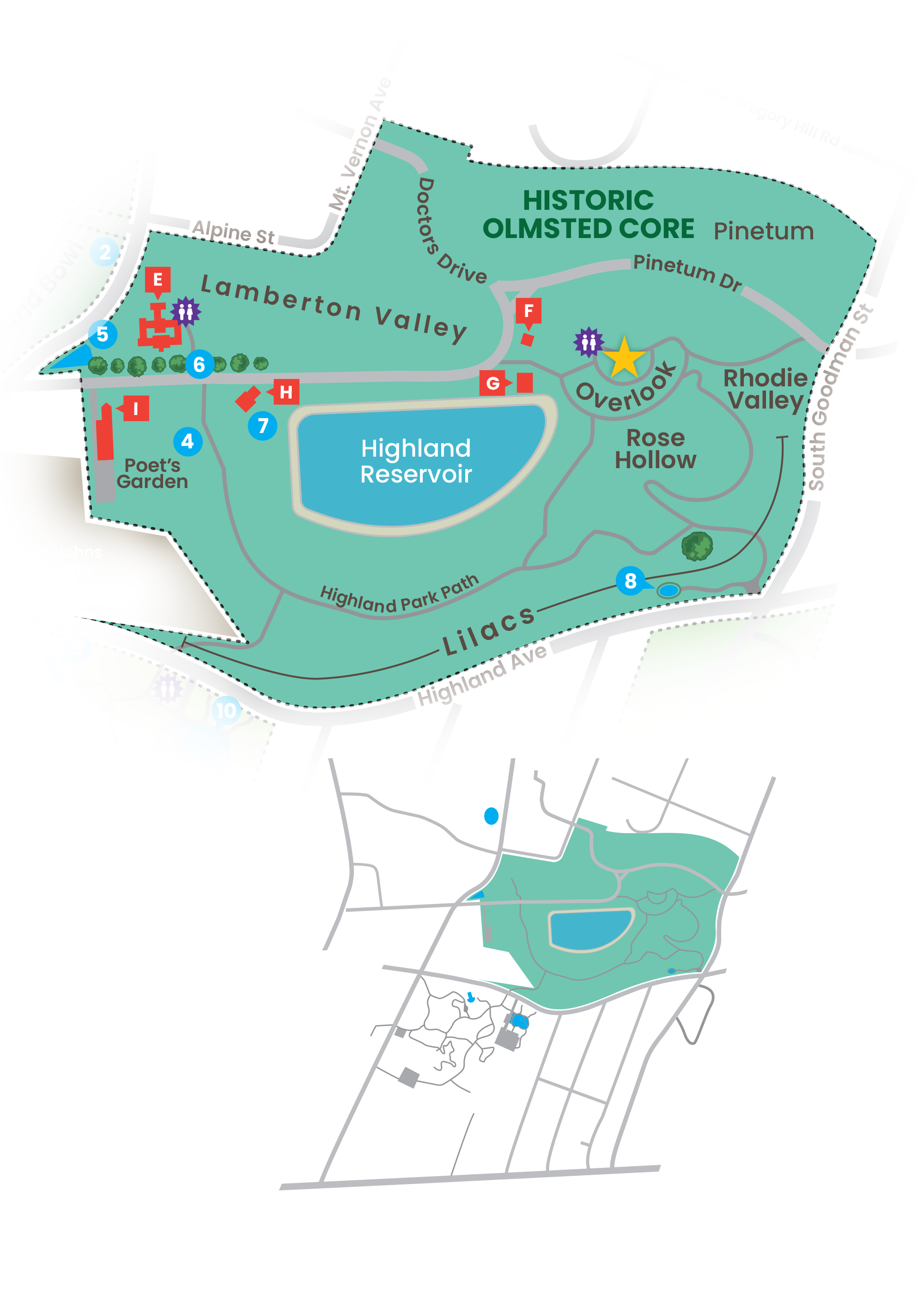
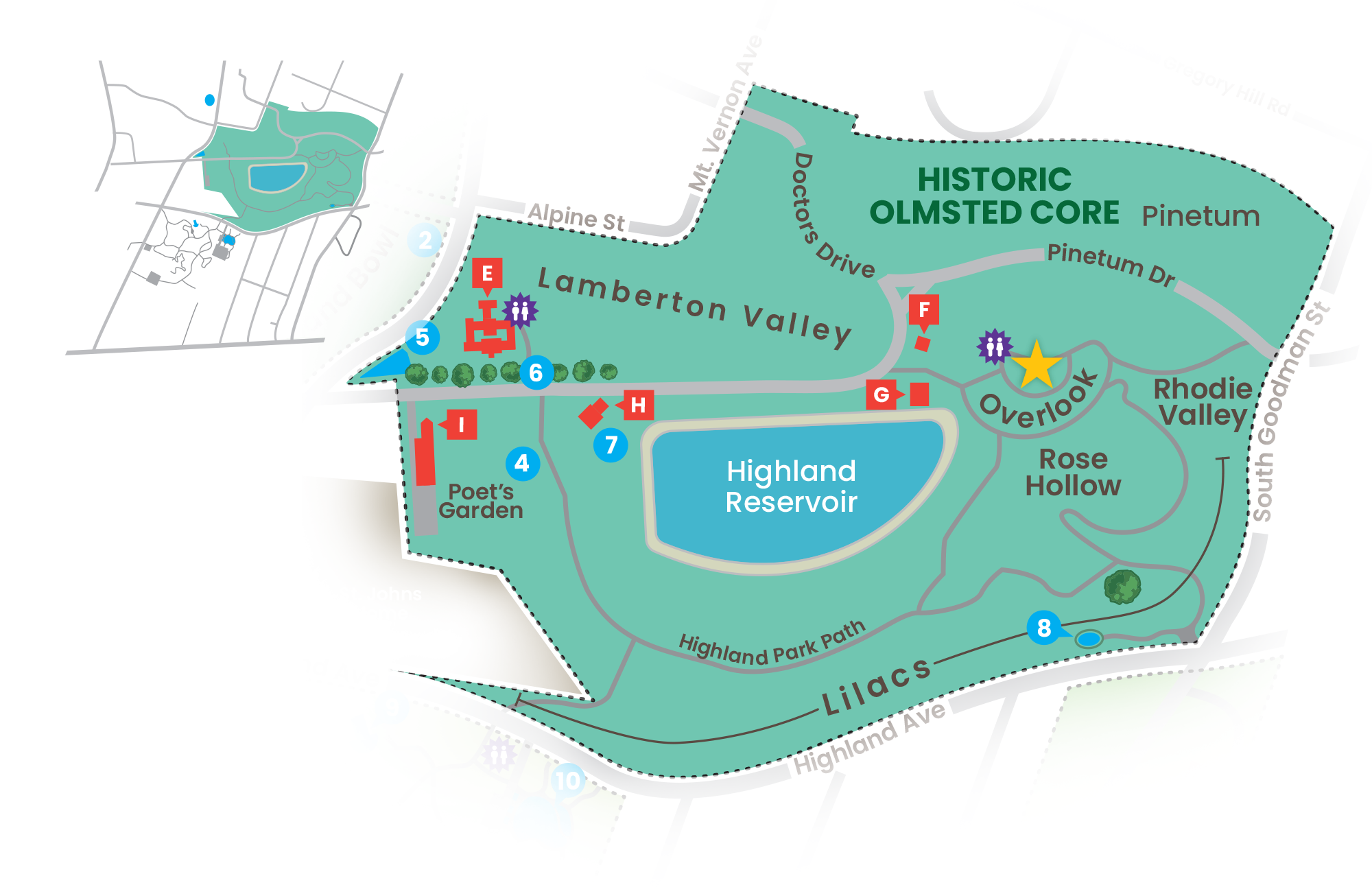
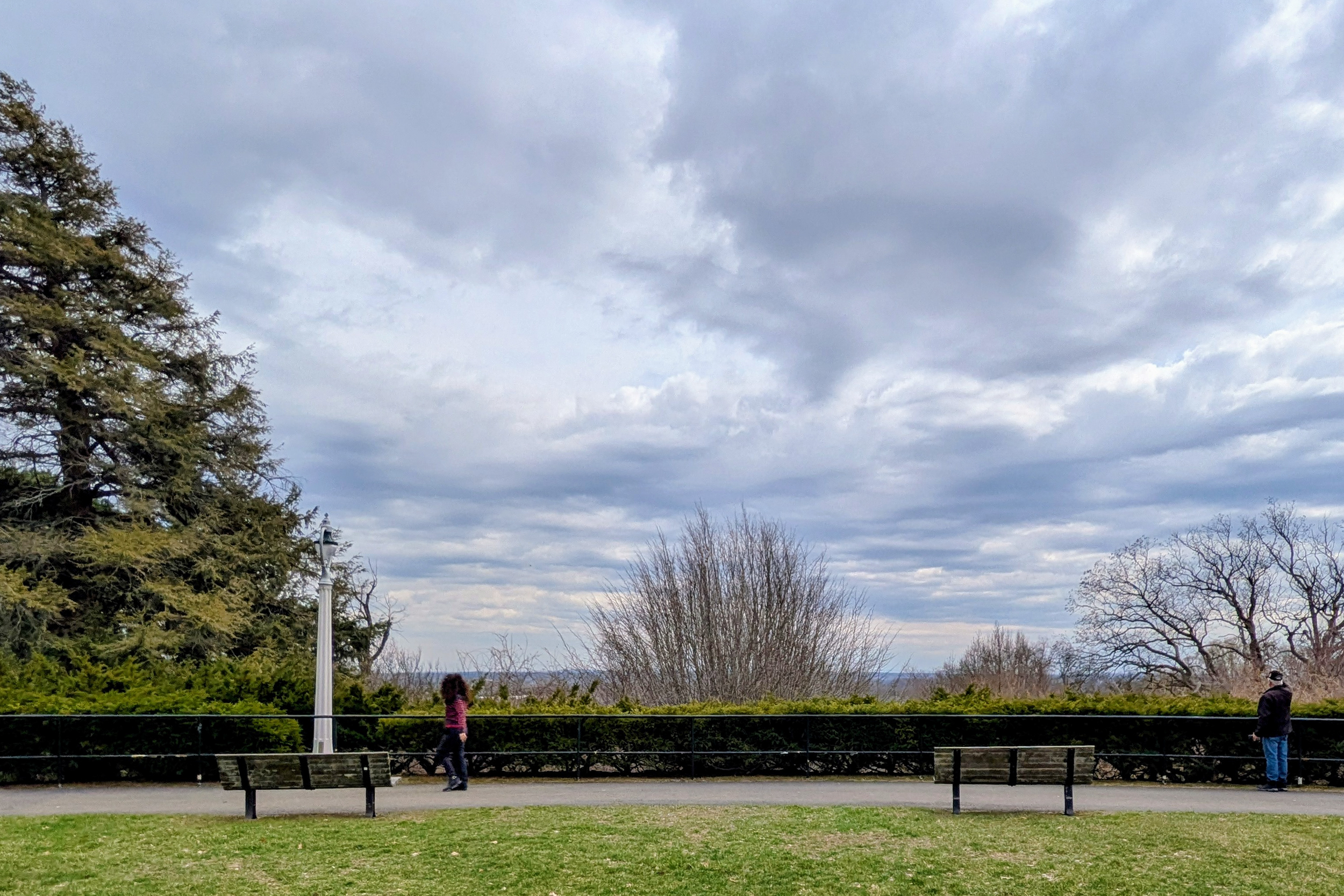
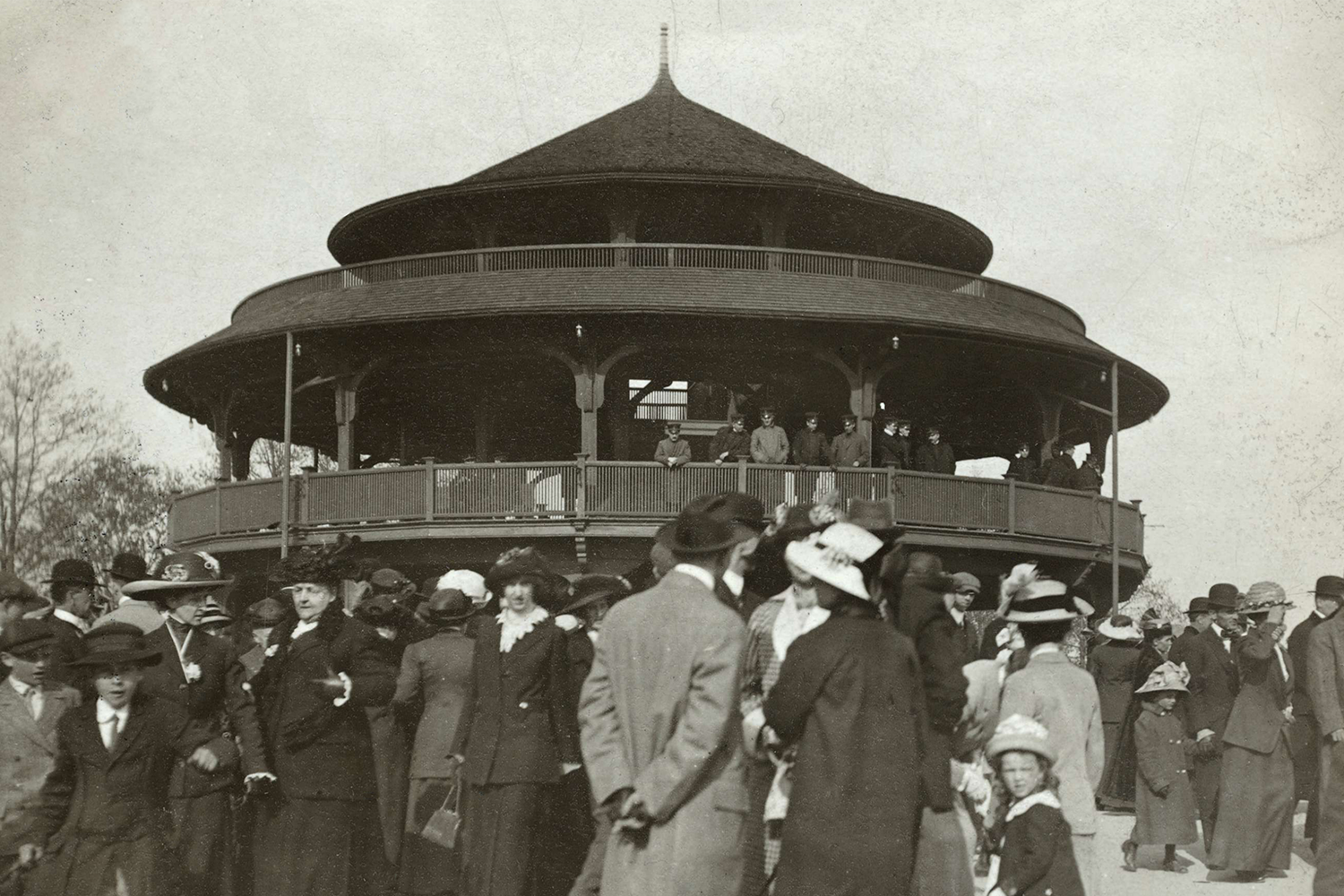
The Overlook is the high point, at the center of the historic core of the park, where the drives and paths converge and a panoramic view opens over the reservoir and the countryside to the south. It is the site of the original (lost) and future Children’s Pavilion.
Also in this section:
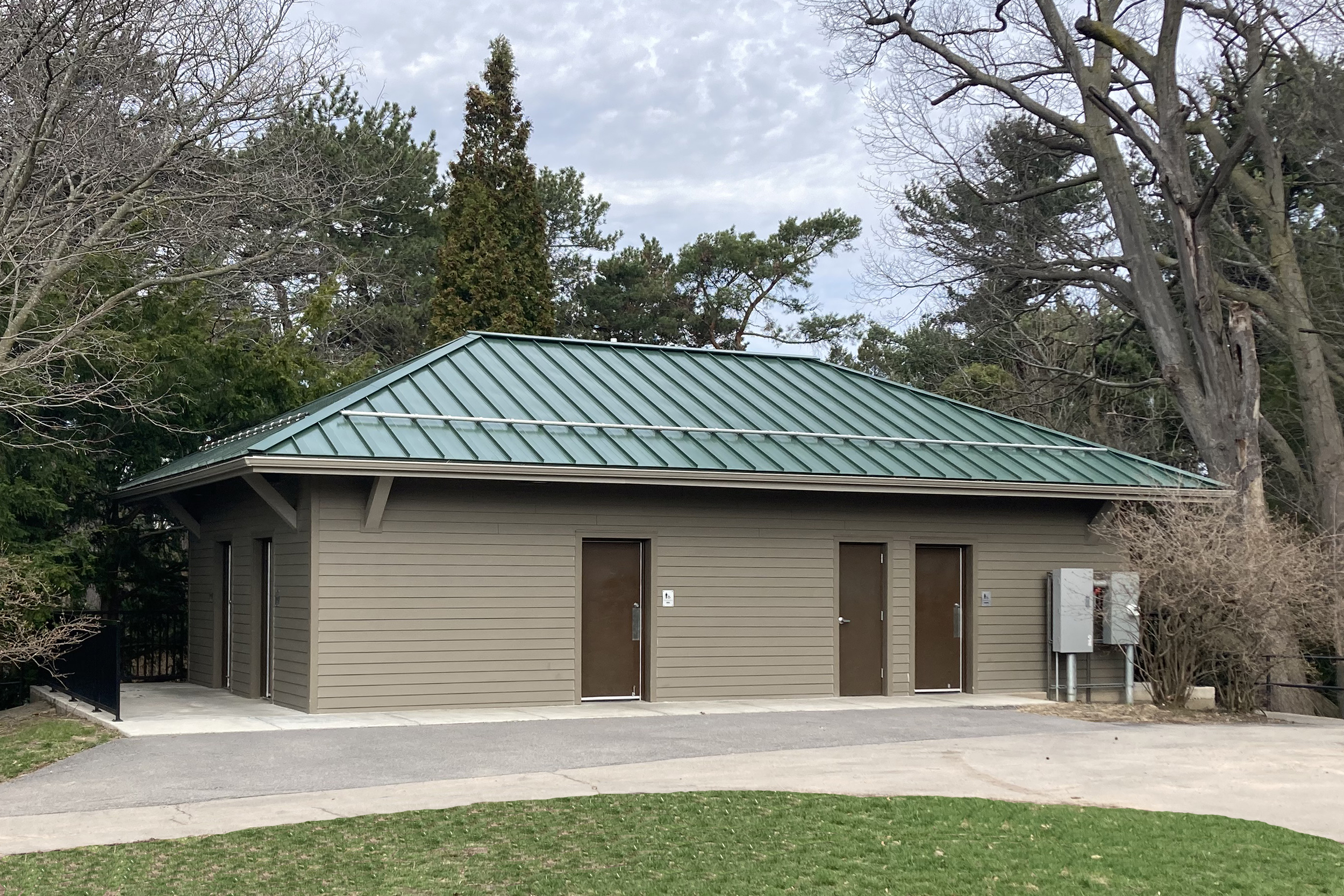
Restrooms
Original and future home of Children’s Pavilion
Highland Reservoir
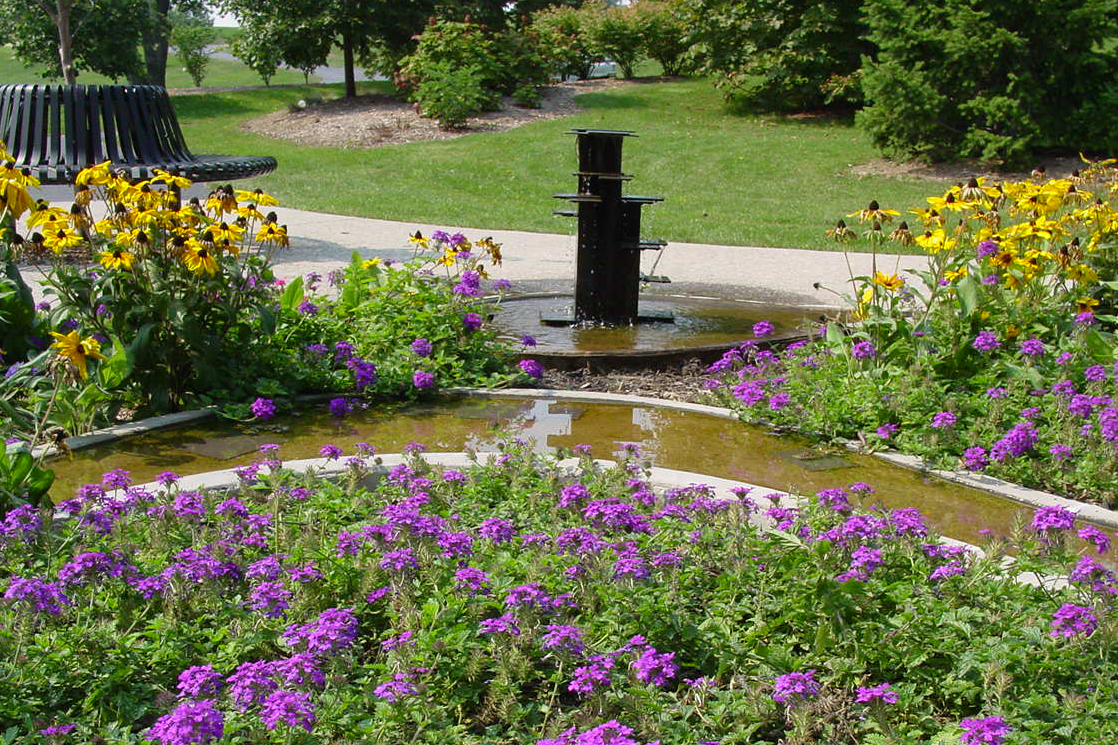
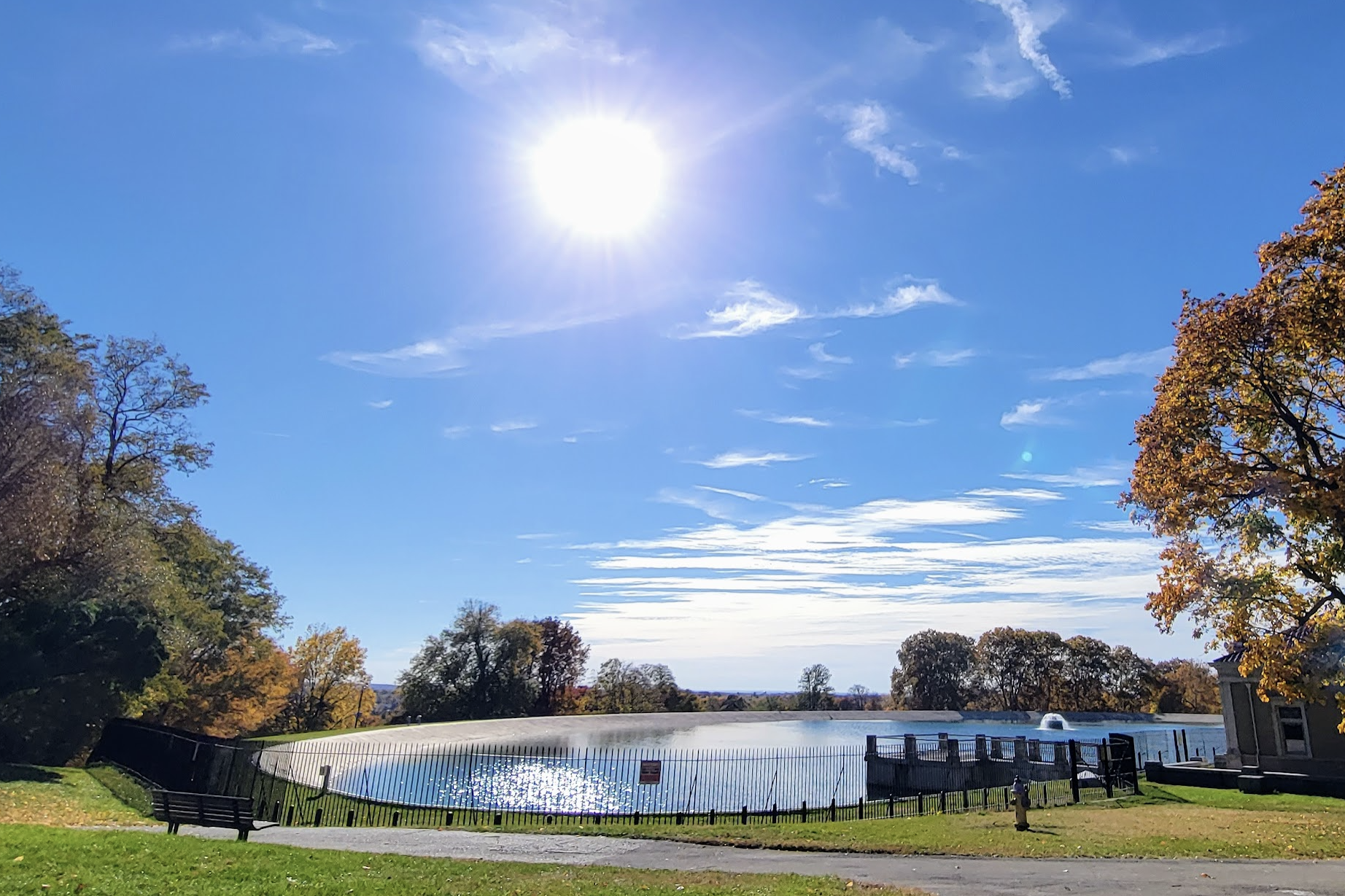
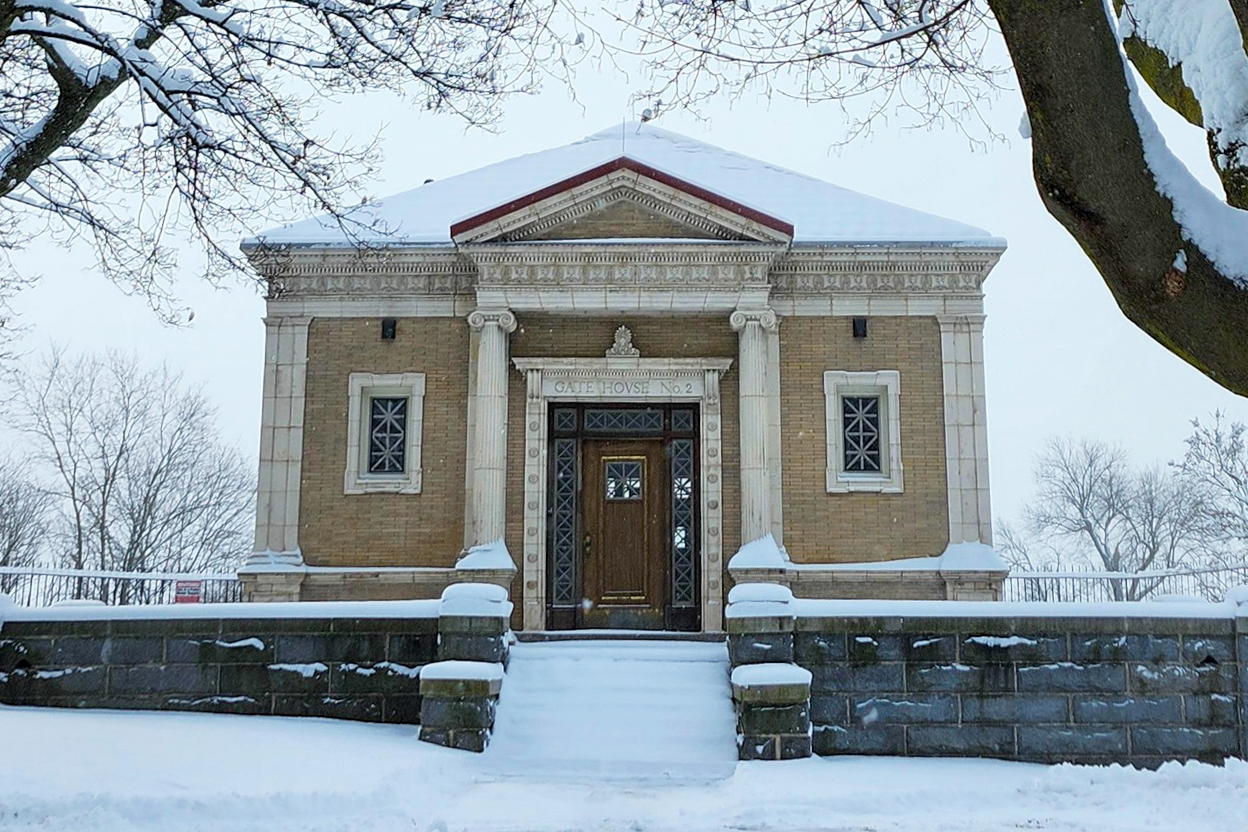
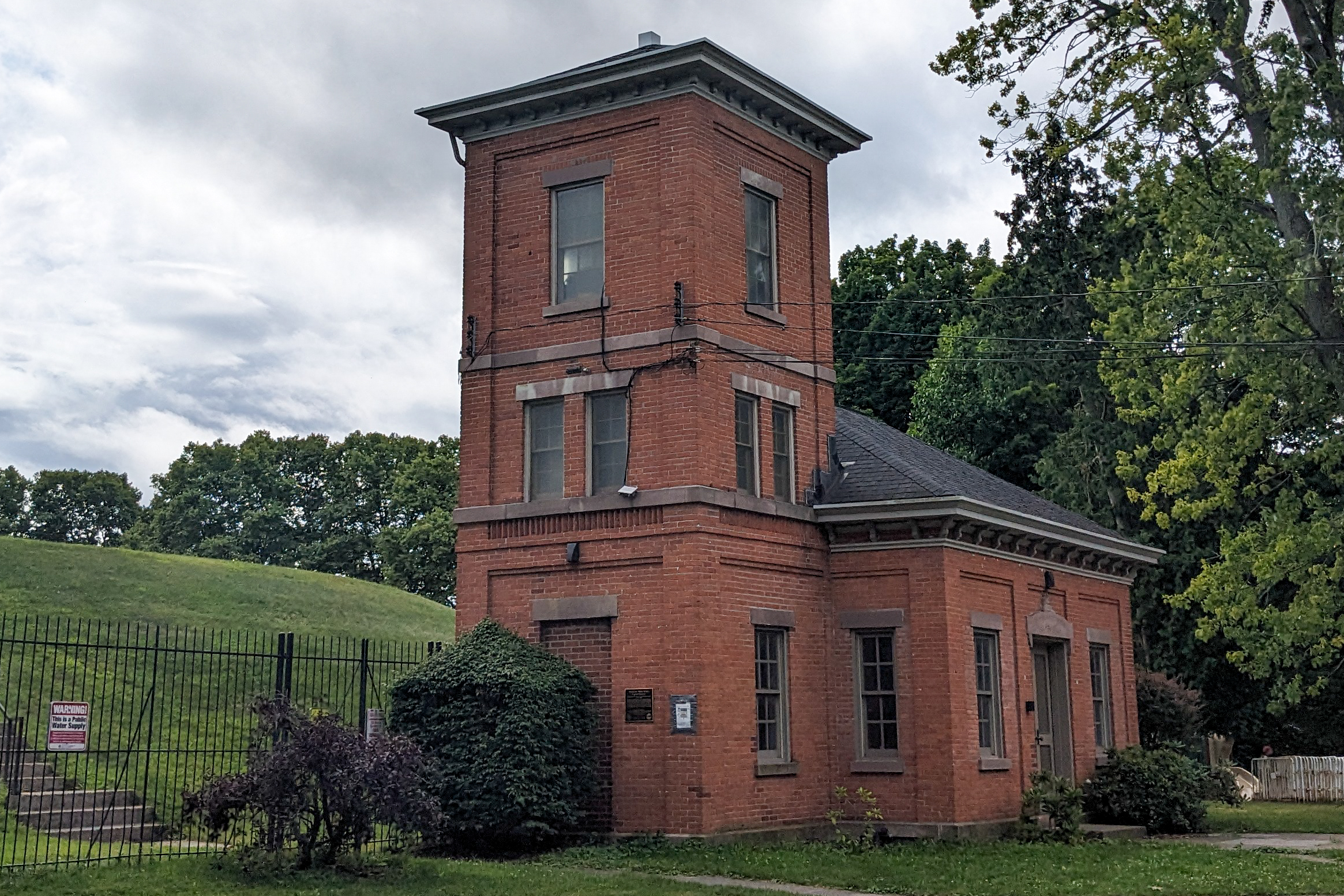
Highland Reservoir was built in 1875 as part of the original municipal water system. It retains an open water reservoir with a central fountain and still supplies drinking water to Rochester. It has a perimeter fence, two historic buildings, and a newer treatment building. Highland Park was designed and built around the reservoir in 1890, with an overlook above to offer a beautiful view.
Also in this section:
Gate House 2 (Rochester Water Bureau)
Water Works Building (Rochester Water Bureau)
Treatment Building (Rochester Water Bureau — no public access/no image)
Lilac Collection
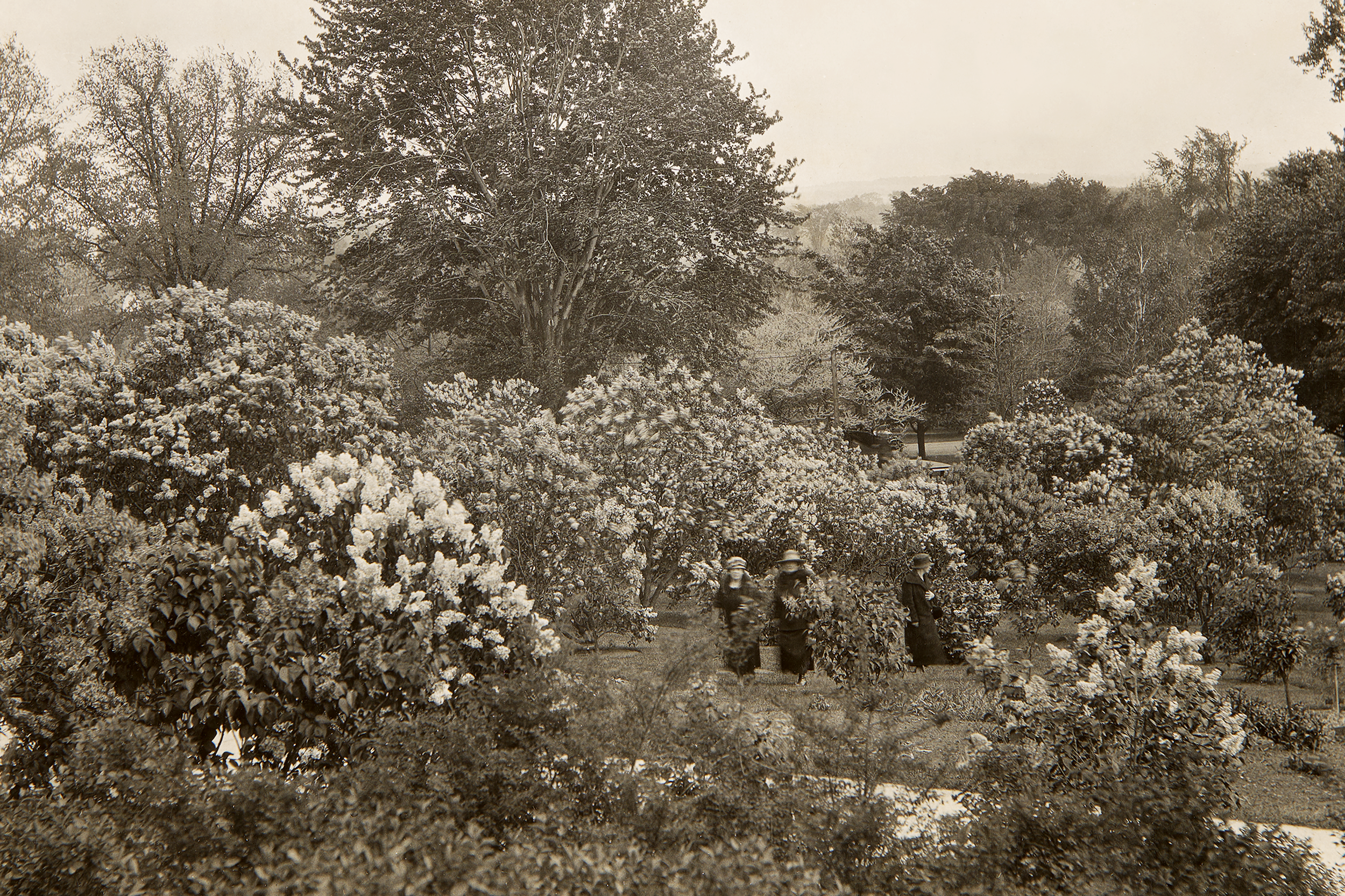
John Dunbar planted the first lilacs in Highland Park in 1892. During his 36 years as Park Horticulturist, he gradually expanded the collection and introduced more than 30 new cultivars to the trade. Dunbar's successor, Bernard H. Slavin, built the lilac collection into the largest in North America. The ‘Rochester’ lilac, a creamy white variety introduced in 1963, commemorates the city that has become synonymous with lilacs. Today the display numbers approximately 1,200 shrubs, representing more than 500 cultivars.
Also in this section:
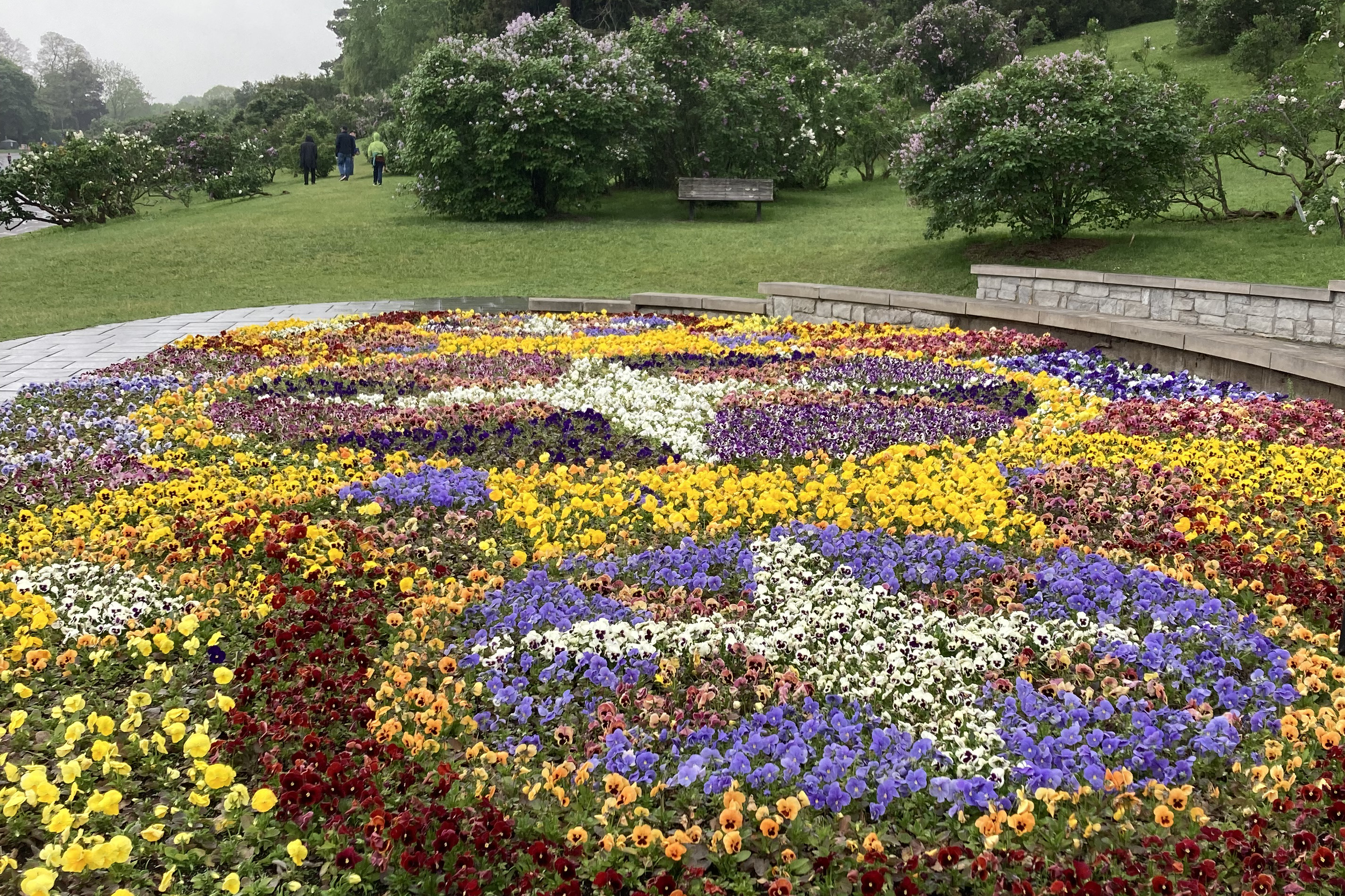
Pansy Bed
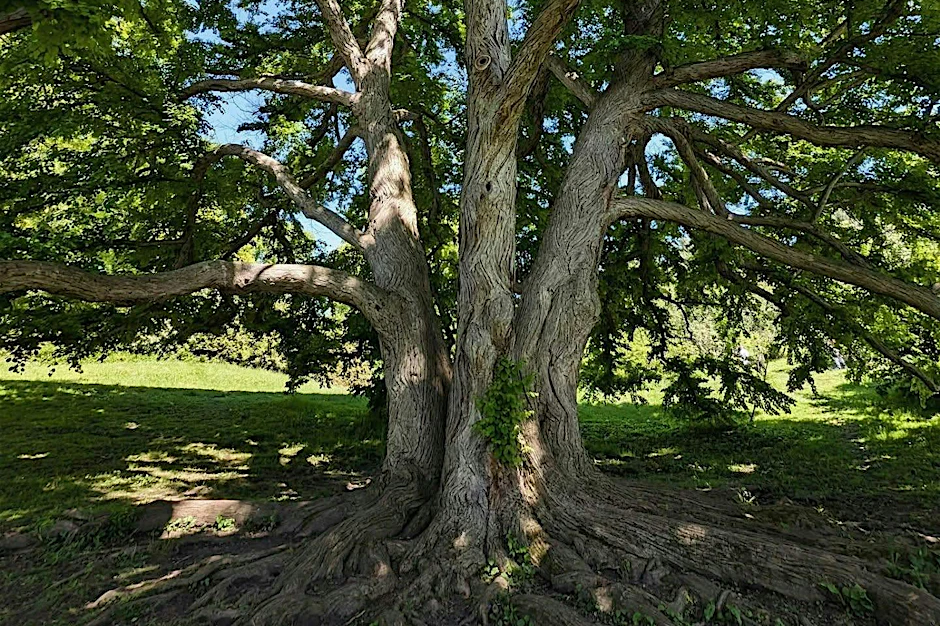
Katsura Tree
Lamberton Conservatory
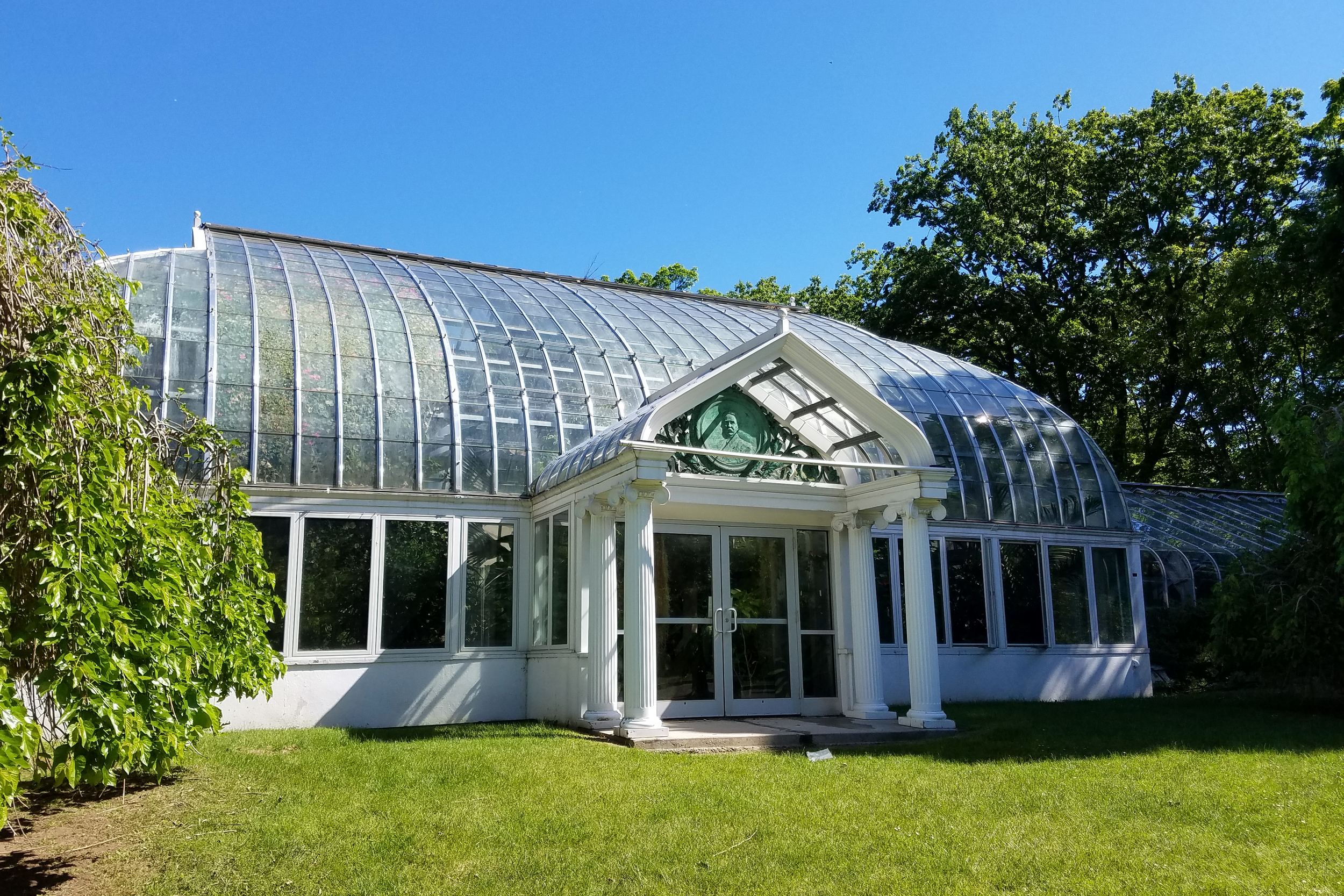
Built in 1911, Lamberton Conservatory is a serene glass greenhouse with a courtyard and koi pond. It features the ever popular seasonal house followed by a diverse collection of epiphytes, tropicals, and desert plants, each in their own unique environments. Red slider turtles lounge by indoor ponds; quail and multiple tortoises make the Conservatory their home. Open 10:00am-4:00pm every day except Dec. 25, 585-753-7270.
Also in this section:
Lamberton Valley
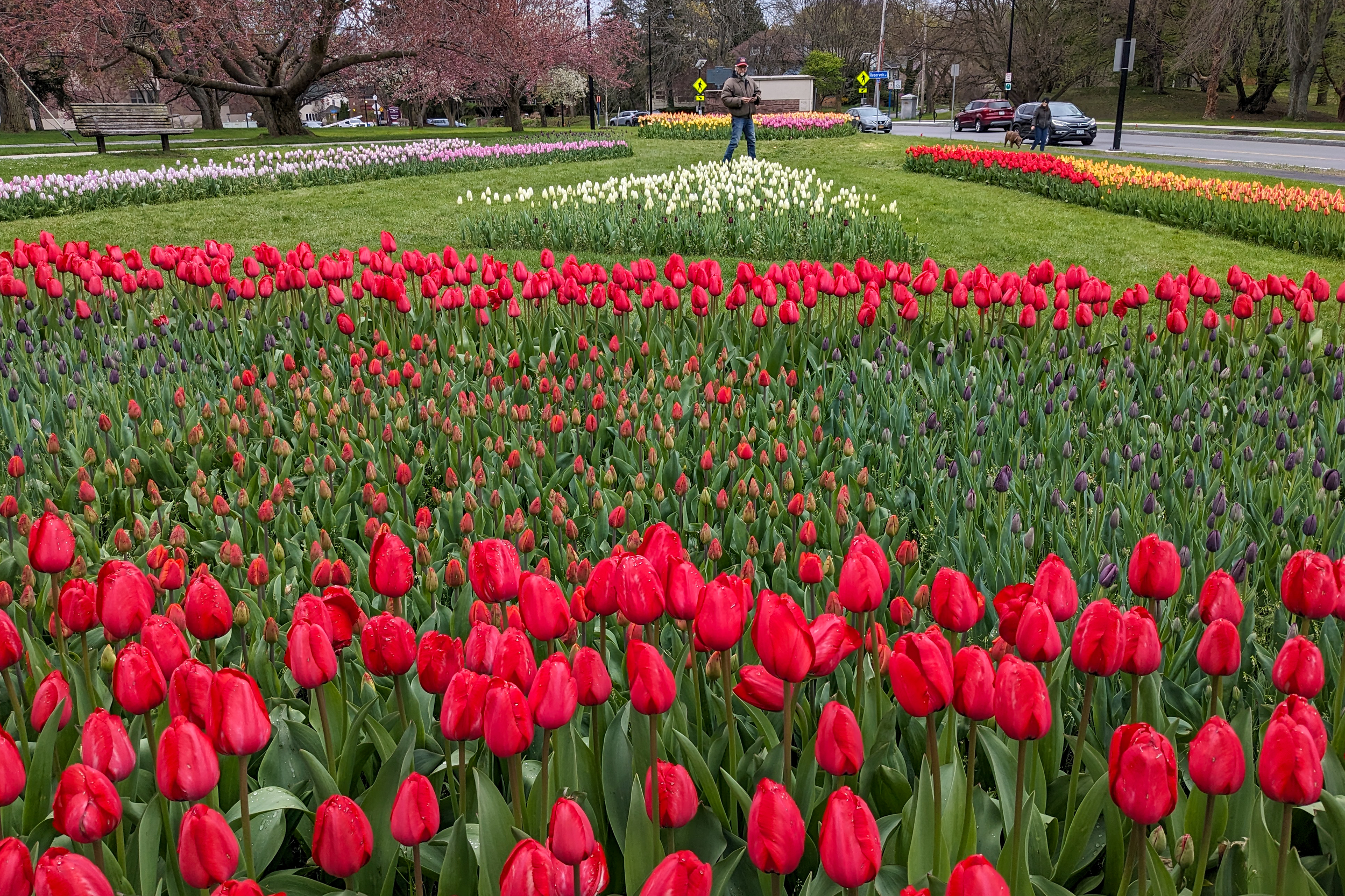
Display Beds
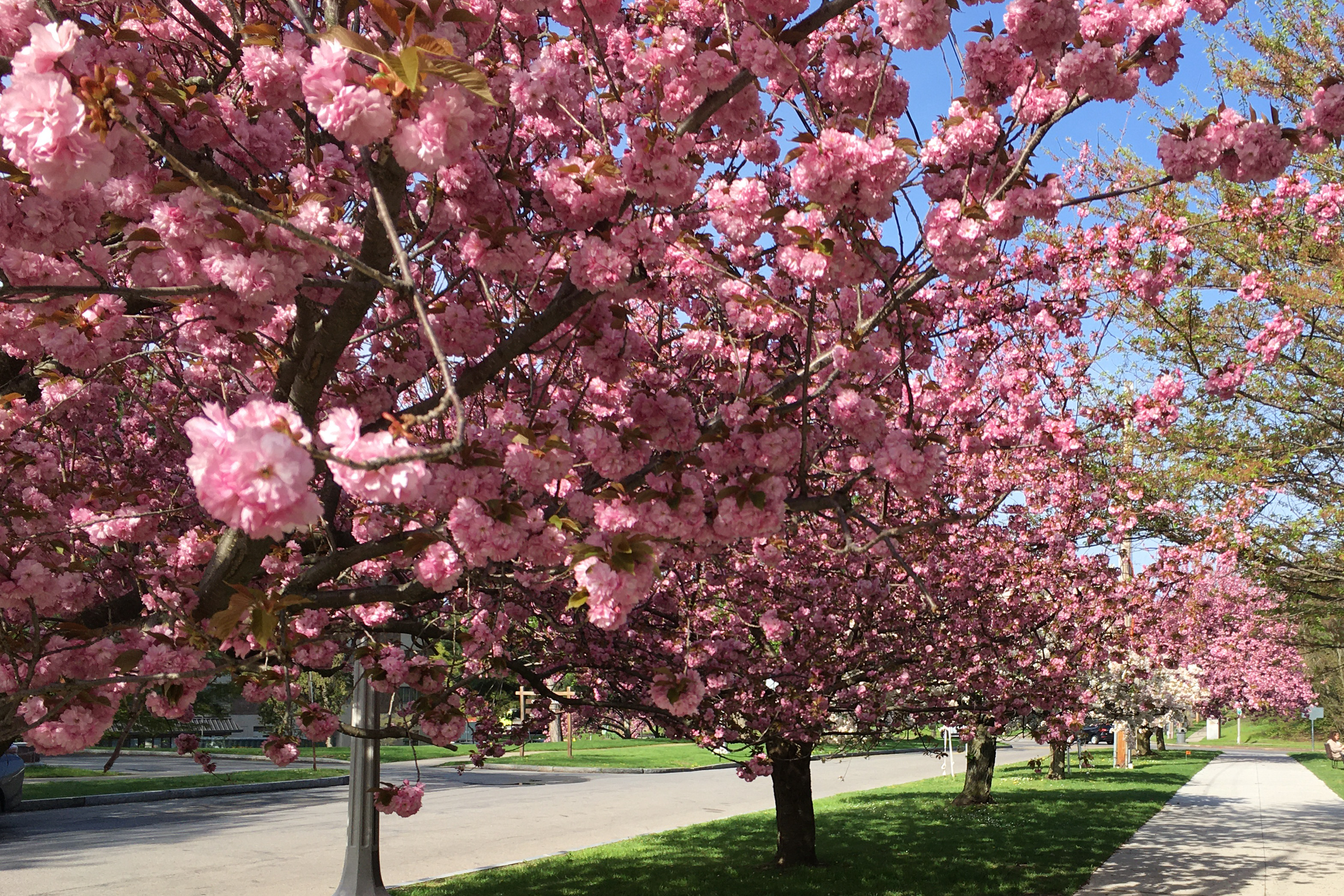
Cherry Tree Walk
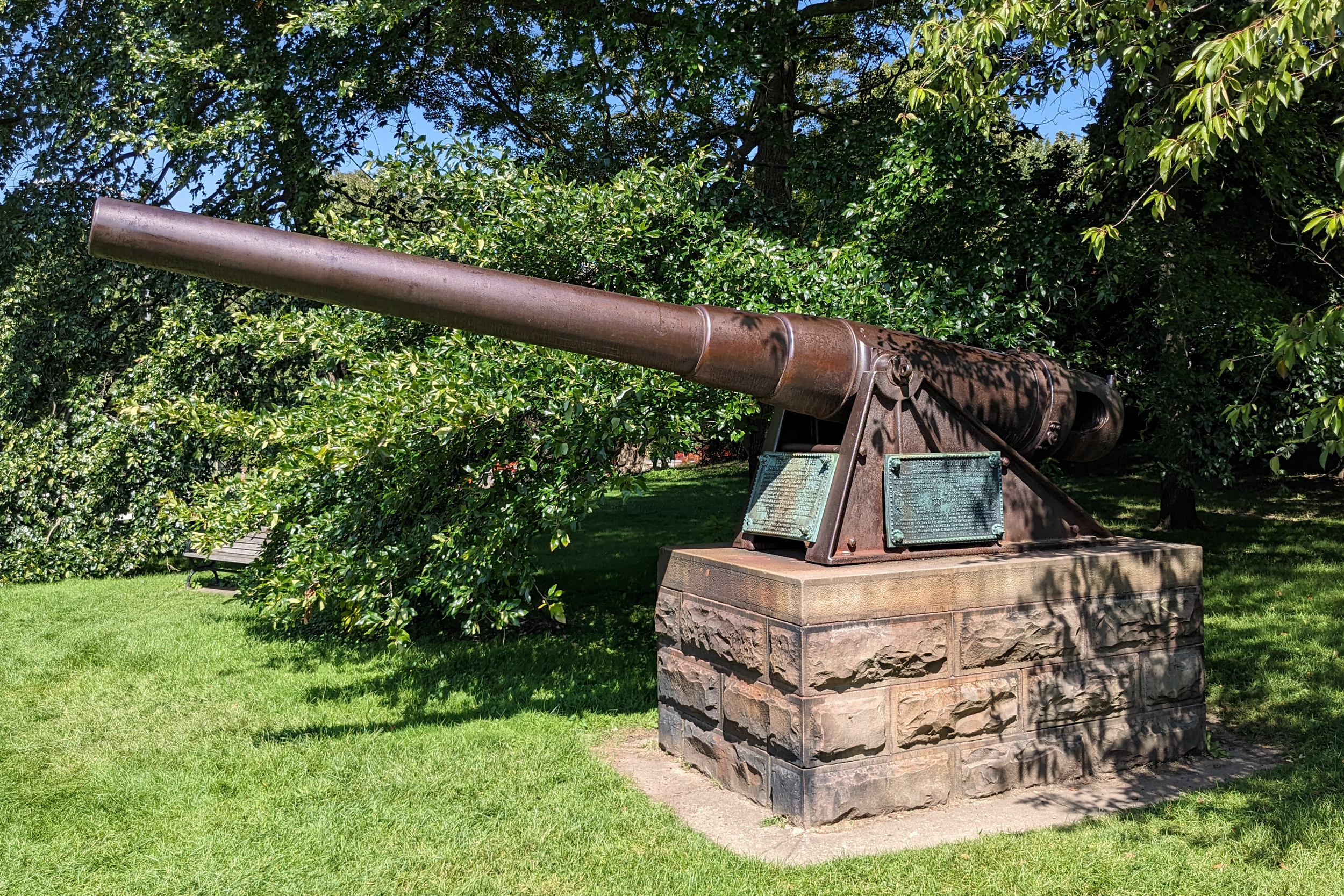
Trophy Cannon
Rhodie Valley
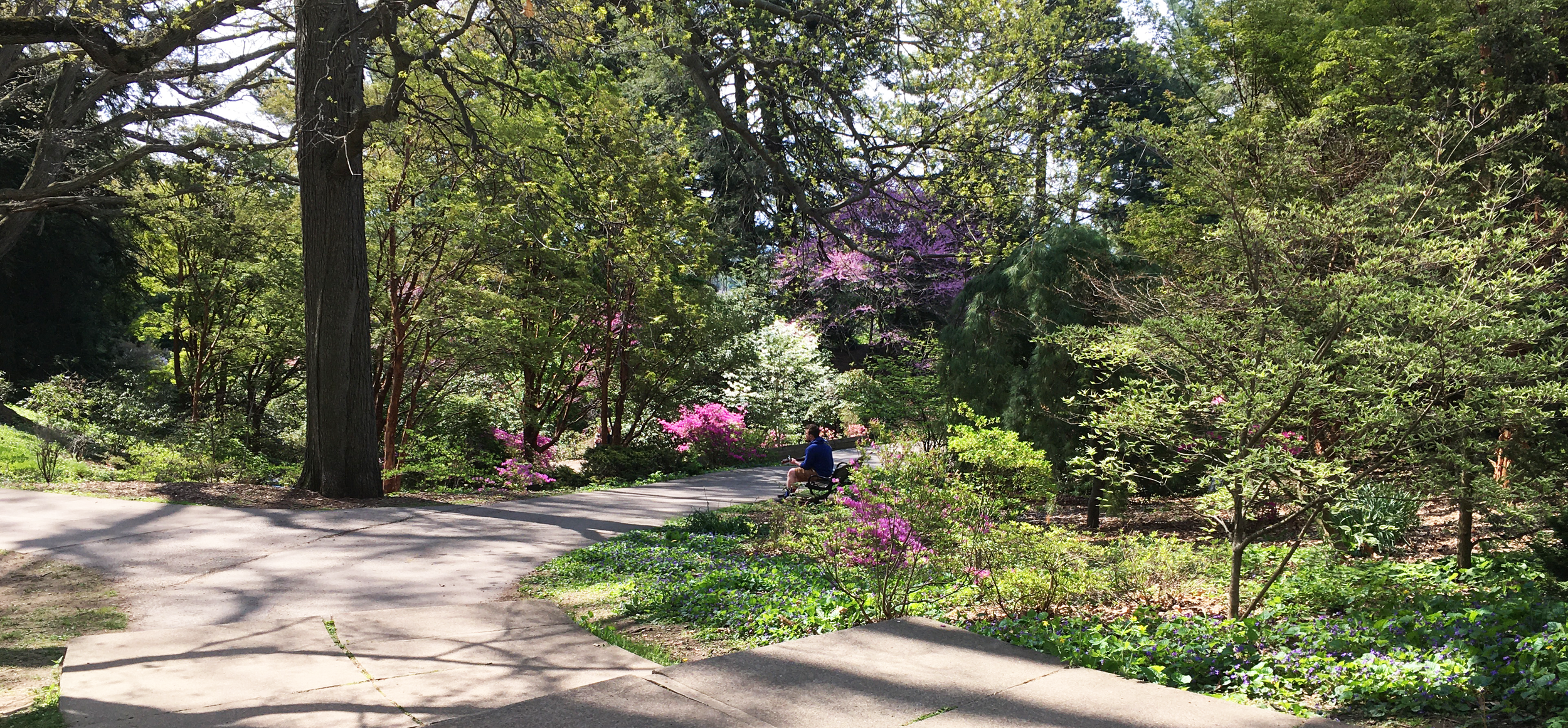
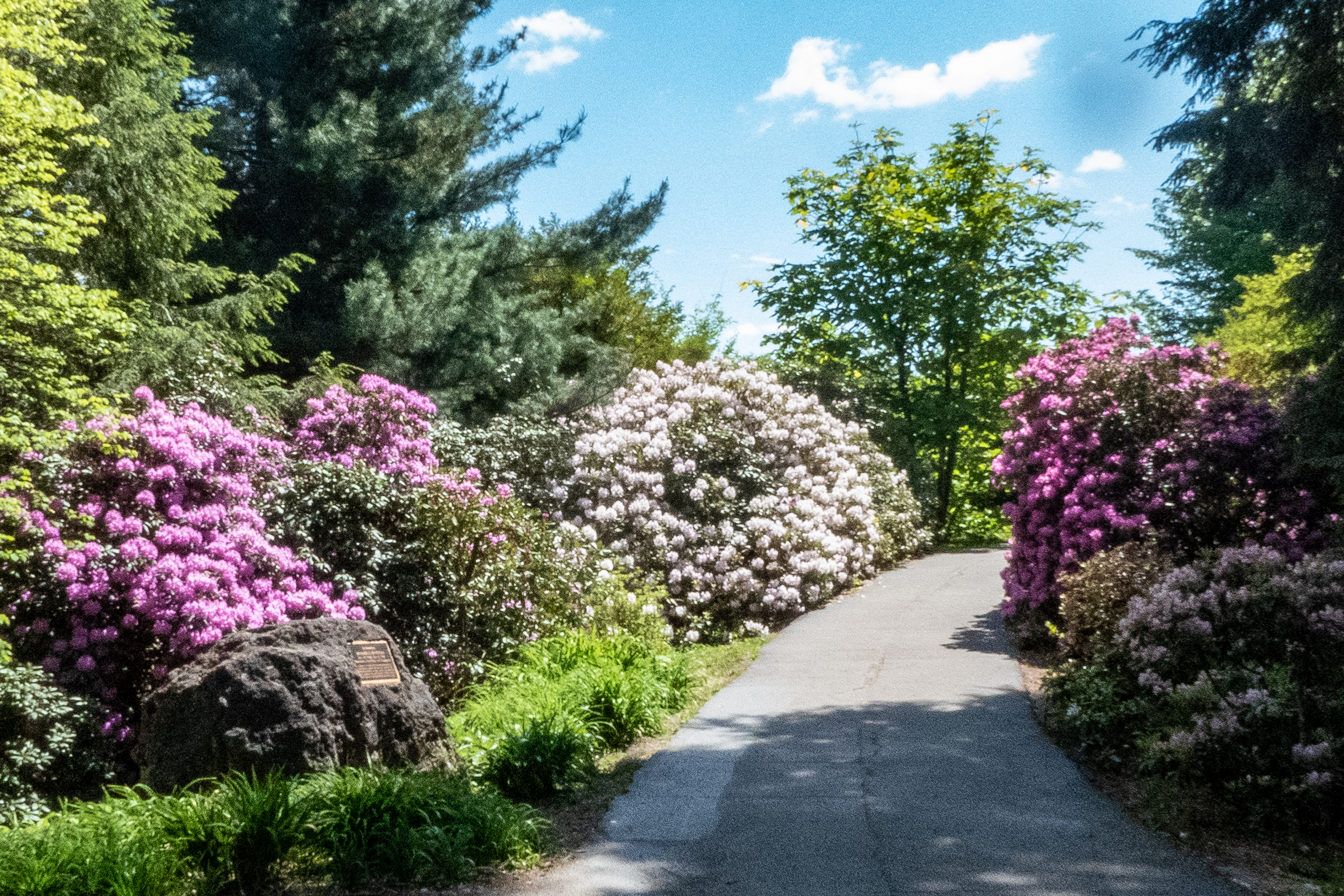
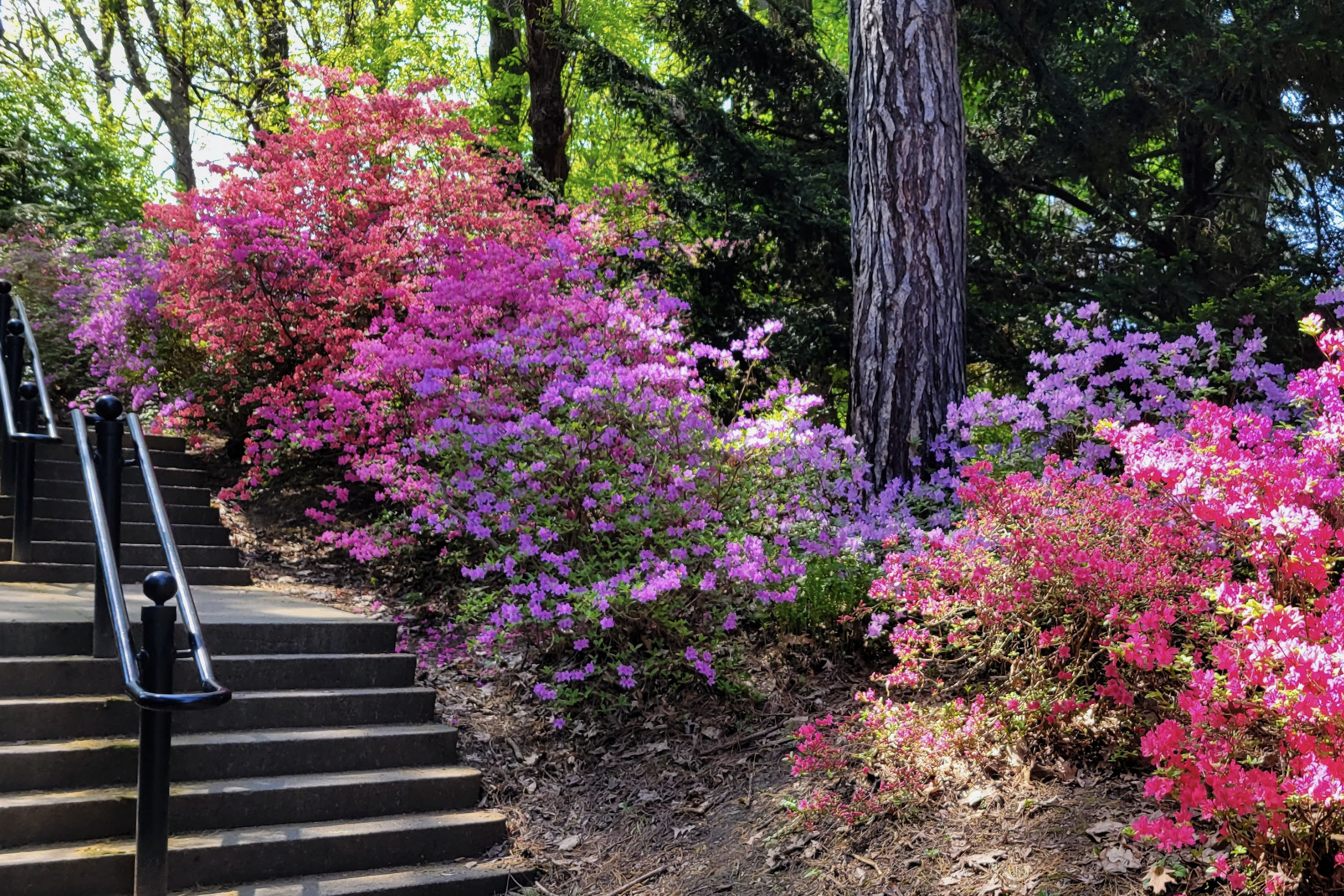
Rhododendrons and other acid-loving shrubs thrive in the cool, moist atmosphere of the narrow, protected valley that lies east of Highland Reservoir. A modest but popular display in 1900, today this dell features nearly 700 specimens. The display is at its best in late May and June when shrubs are ablaze with brilliant red, pink, orange, yellow, and white blossoms. Azalea Stairs takes you from Pinetum Drive up into the extensive Rhododendron collection.
Also in this section:
Azalea Stairs
Rose Hollow
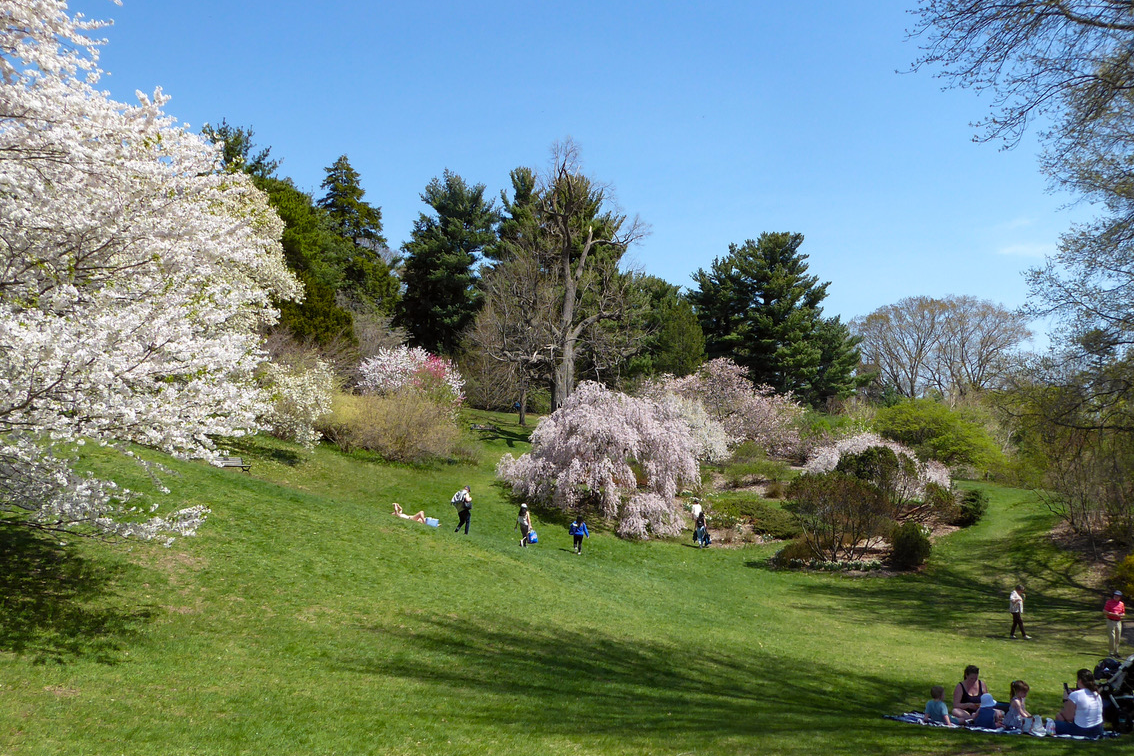
Rose Hollow is a picturesque area of the park distinguished by its gently rolling, south-facing lawns, and bosques of flowering crabapple, plum and cherry trees, all members of the extensive Rosaceae family. It offers sunny and shady spots, and a spectacular display of blooms in the spring. The small rose display is highlighted by the historic ‘Father Hugo’ (Rosa hugonis) species rose. The three mature shrubs show an early June primrose single bloom.
Pinetum
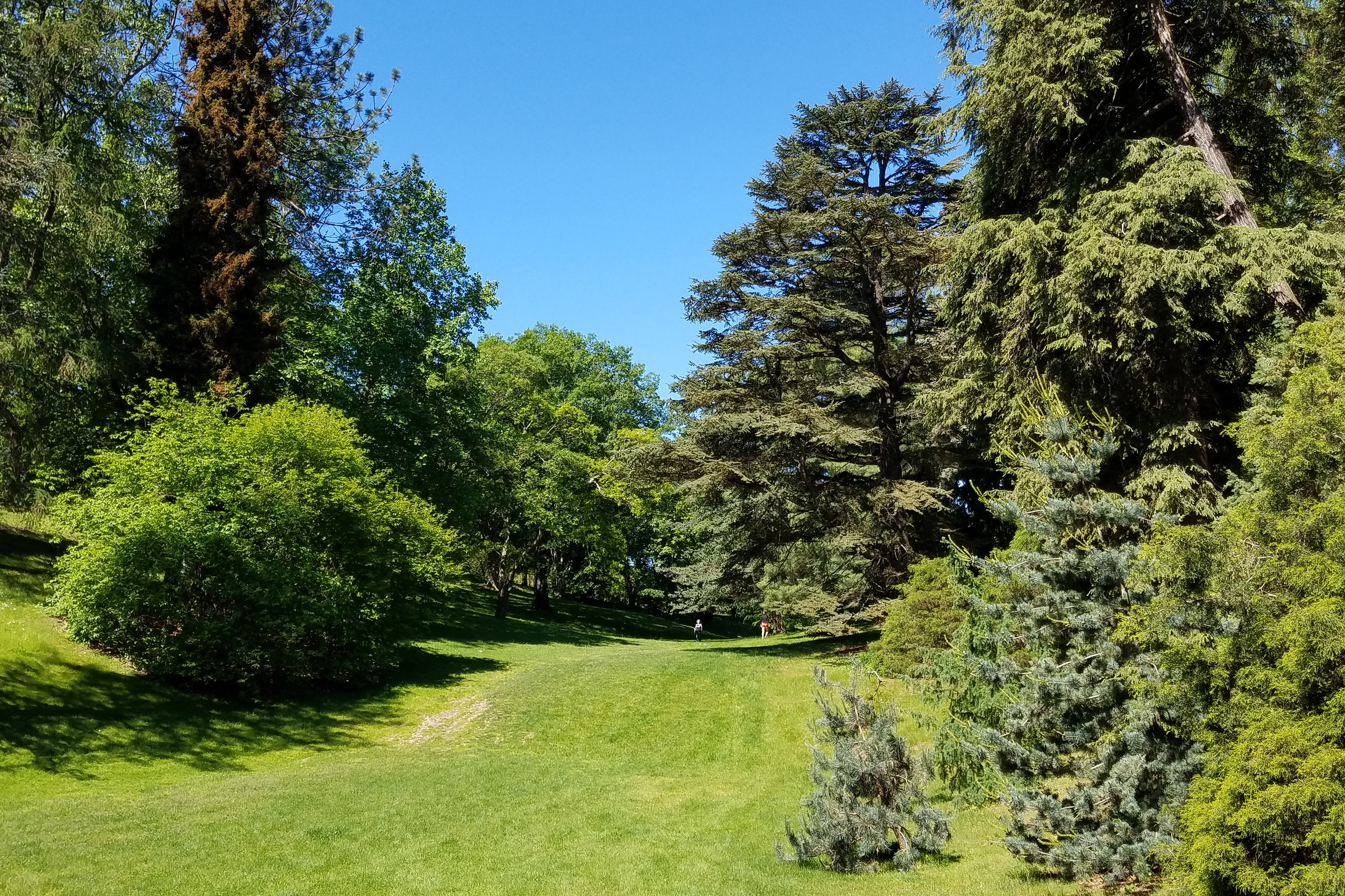
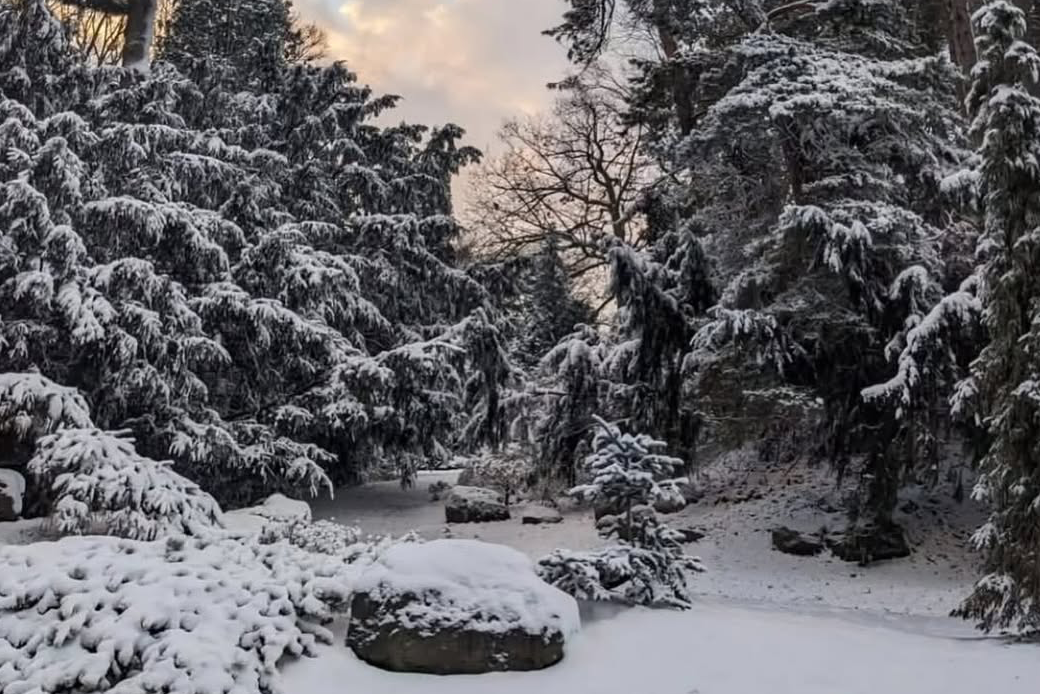
The Pinetum is devoted exclusively to cone-bearing trees and shrubs. Located north of Pinetum Drive, it contains about 300 species, subspecies, varieties, and cultivars of conifers from around the world. Most are members of the Pinaceae (Pine) Family. Not all conifers are evergreen. Notable exceptions are larches, dawn redwoods, and bald-cypresses, which all drop their needles in the fall, and ginkgos, the only conifers without needles.
Olmsted Lodge & Monroe County Parks Administration
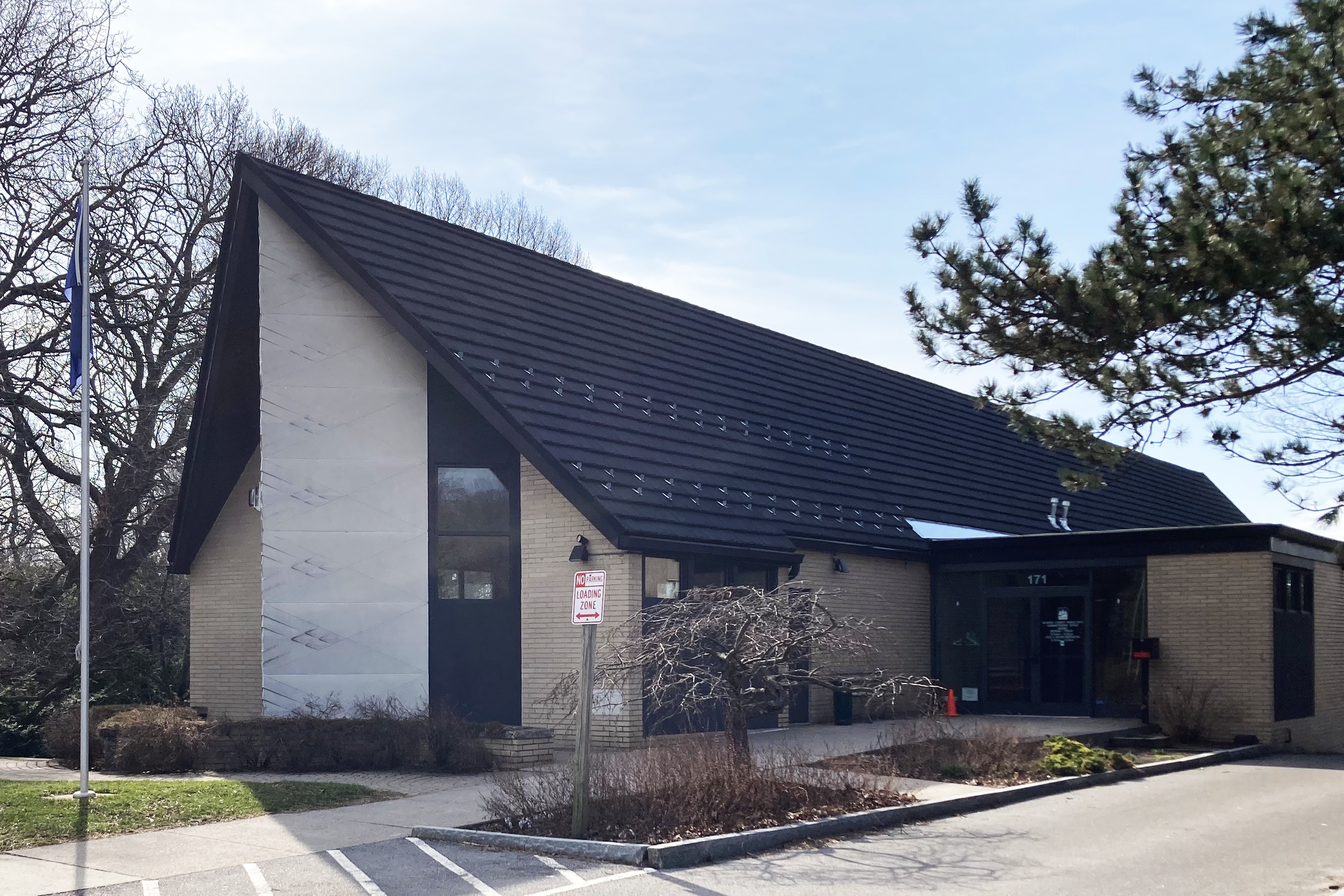
Originally built in the early 1960s as Rochester’s first Mormon house of worship, the modernist Ward Chapel was converted to office space for the Monroe County Parks Department in 1990. The sanctuary was renamed to honor Frederick Law Olmsted and can be rented for weddings, lectures, parties, and other events. Open 8:30am-4:30pm, M-F, 585-753-7275.
Also in this section:
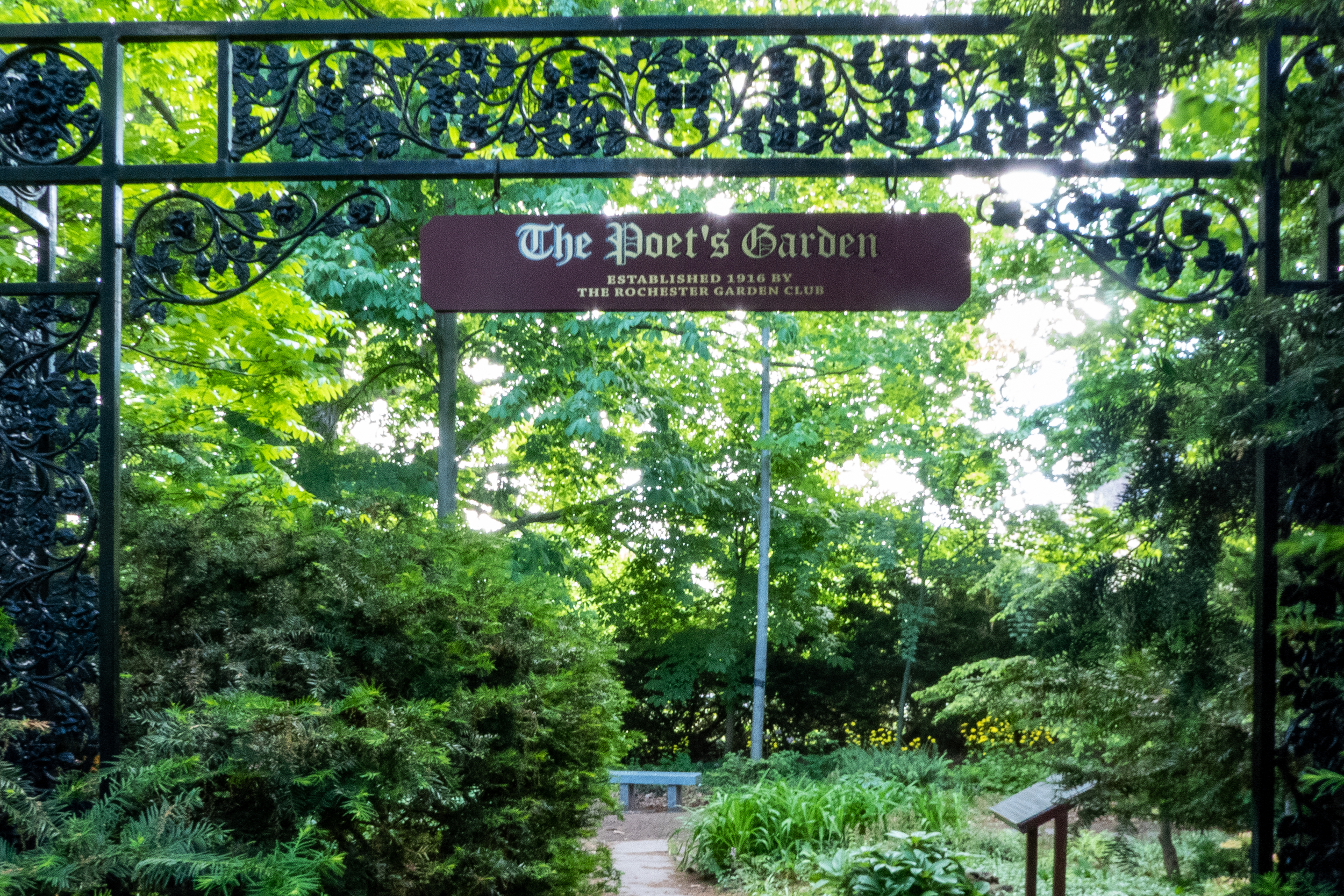
Poet’s Garden
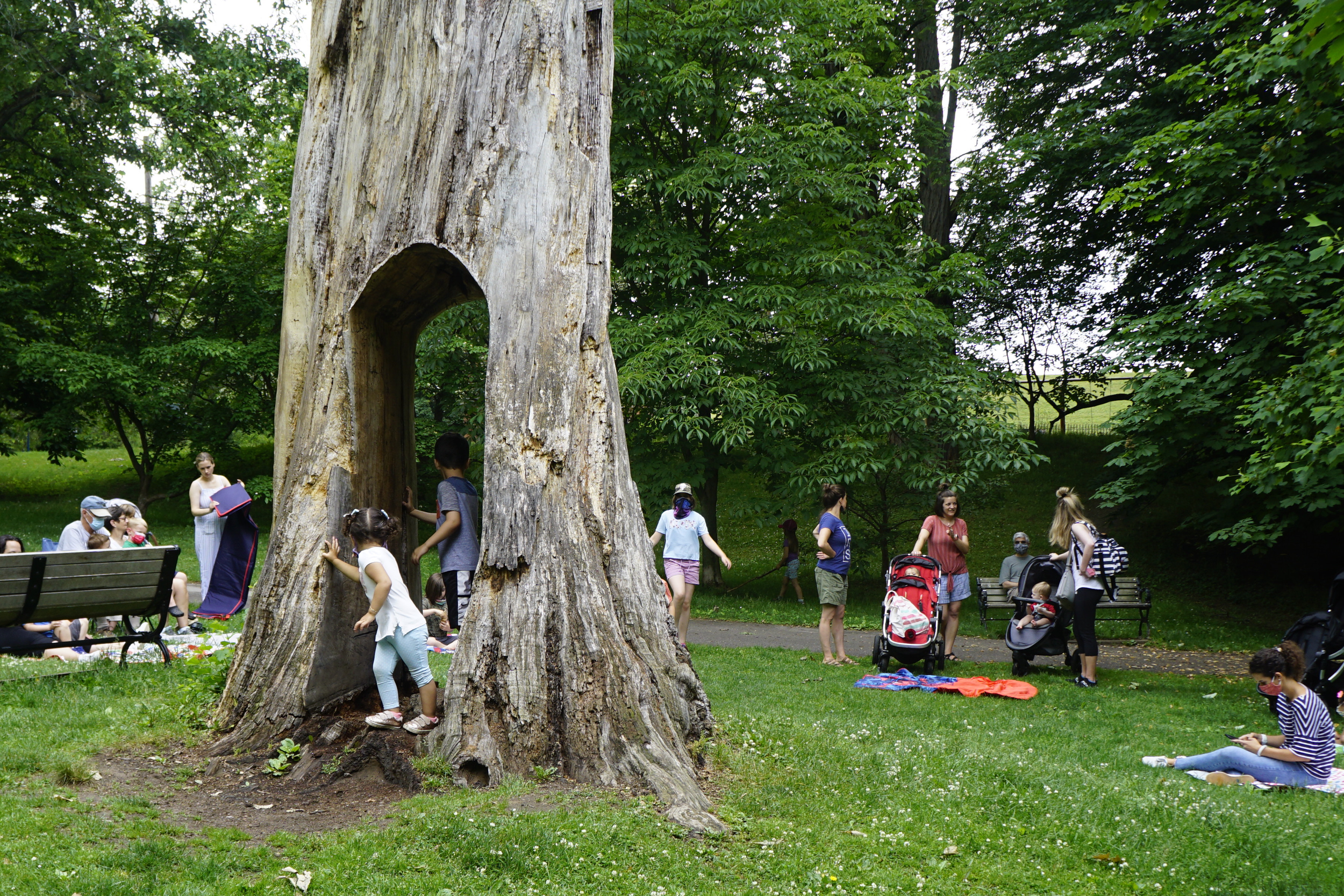
Tunnel Tree
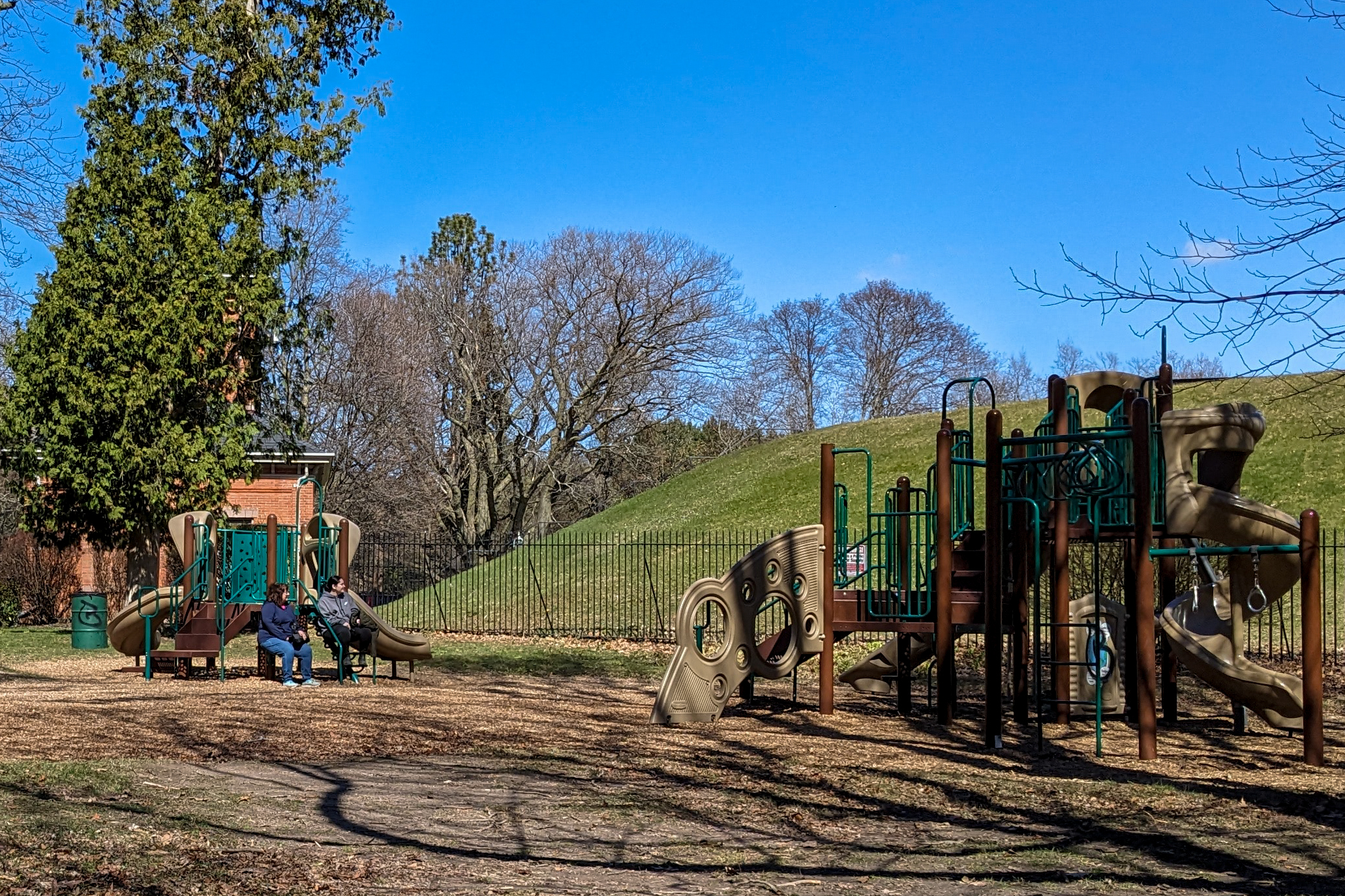
Small Playground
Goodman Extension
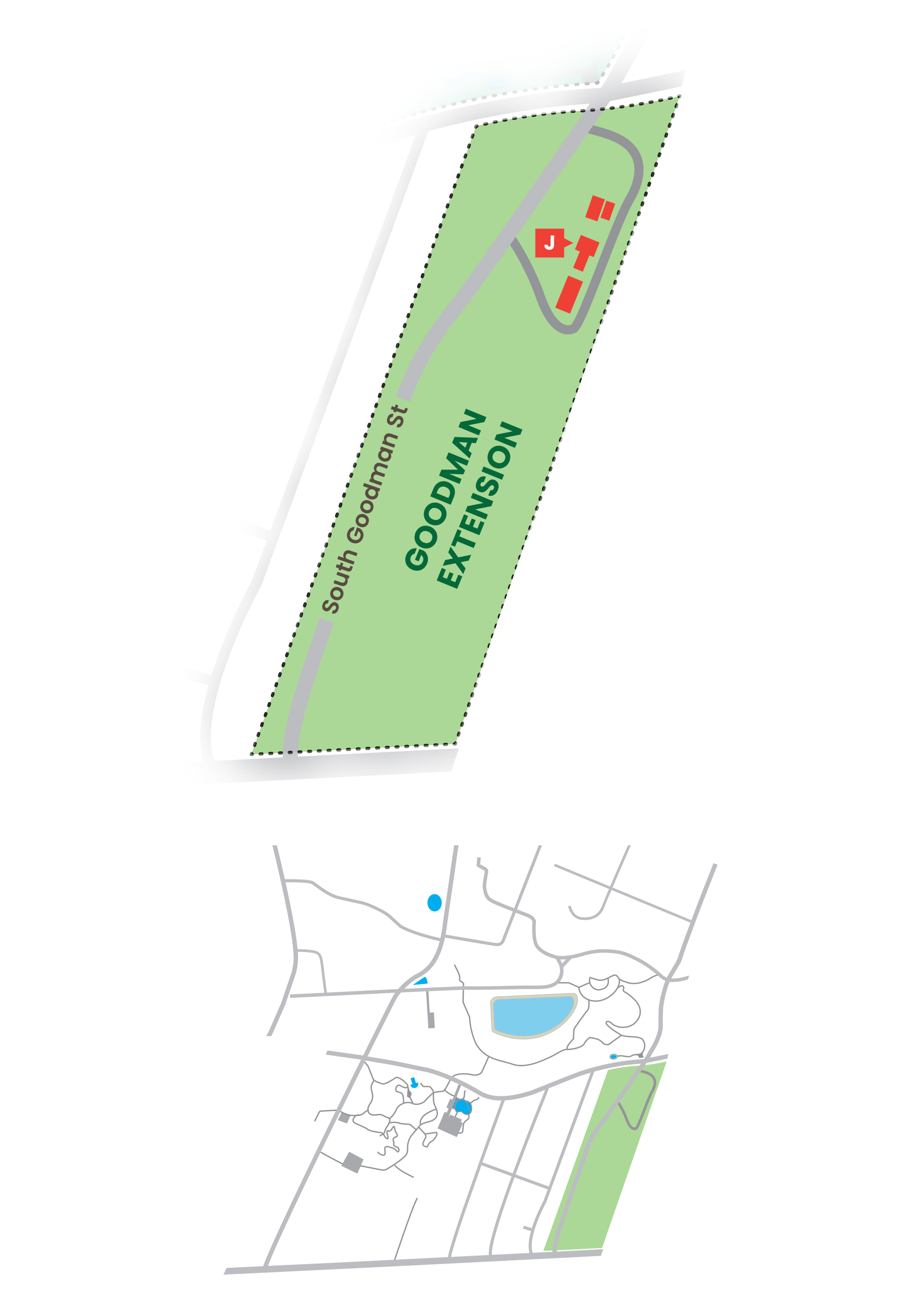
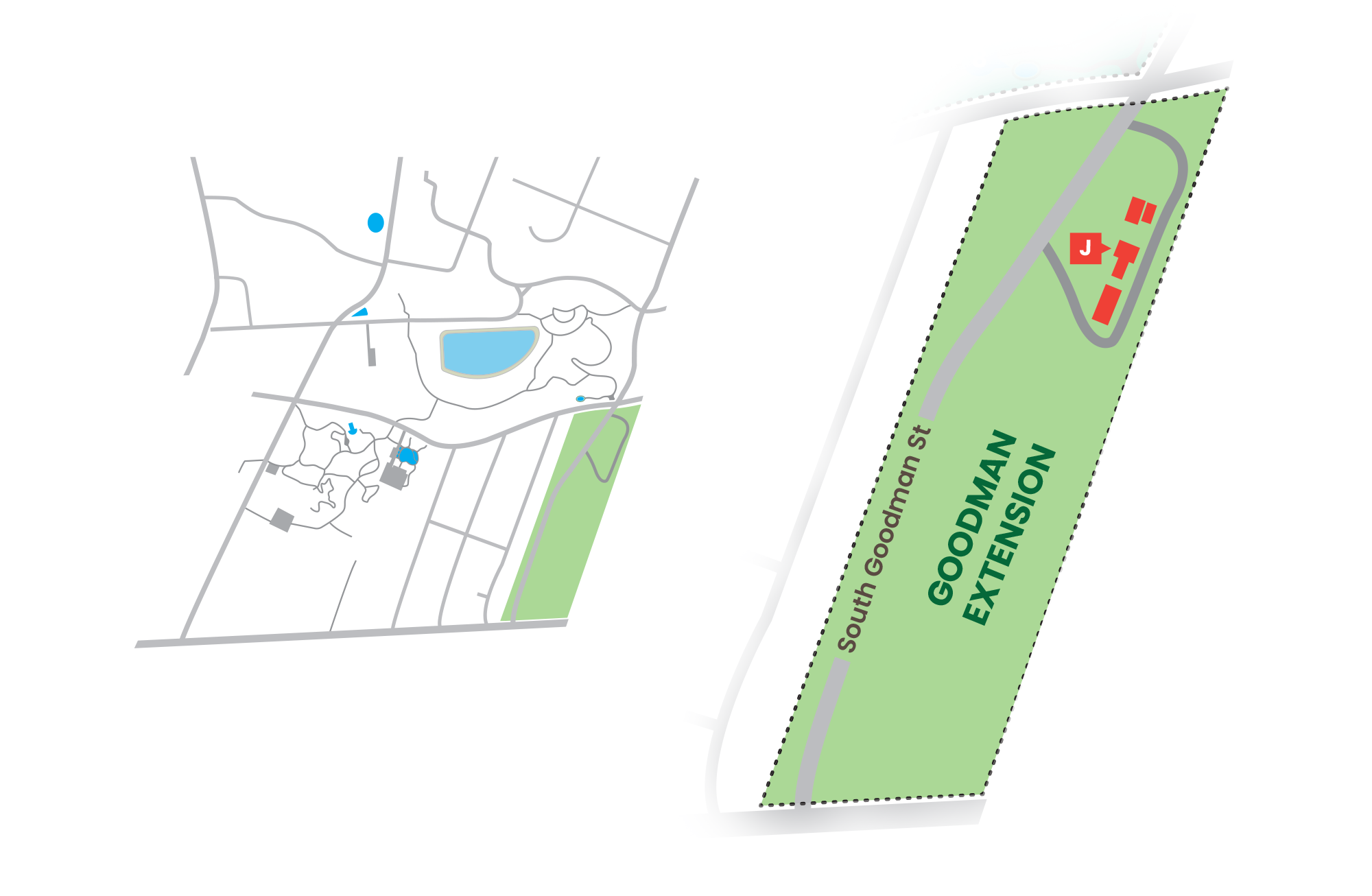
The Extension runs from Highland Avenue south to Elmwood Avenue. The east side of this long stretch, bisected by Goodman Street, is home to groves of decorative trees, lawn space for informal play, and the Park’s Labor Center (no public access). The narrow strip on the west side is home to a long lawn and some small decorative gardens.
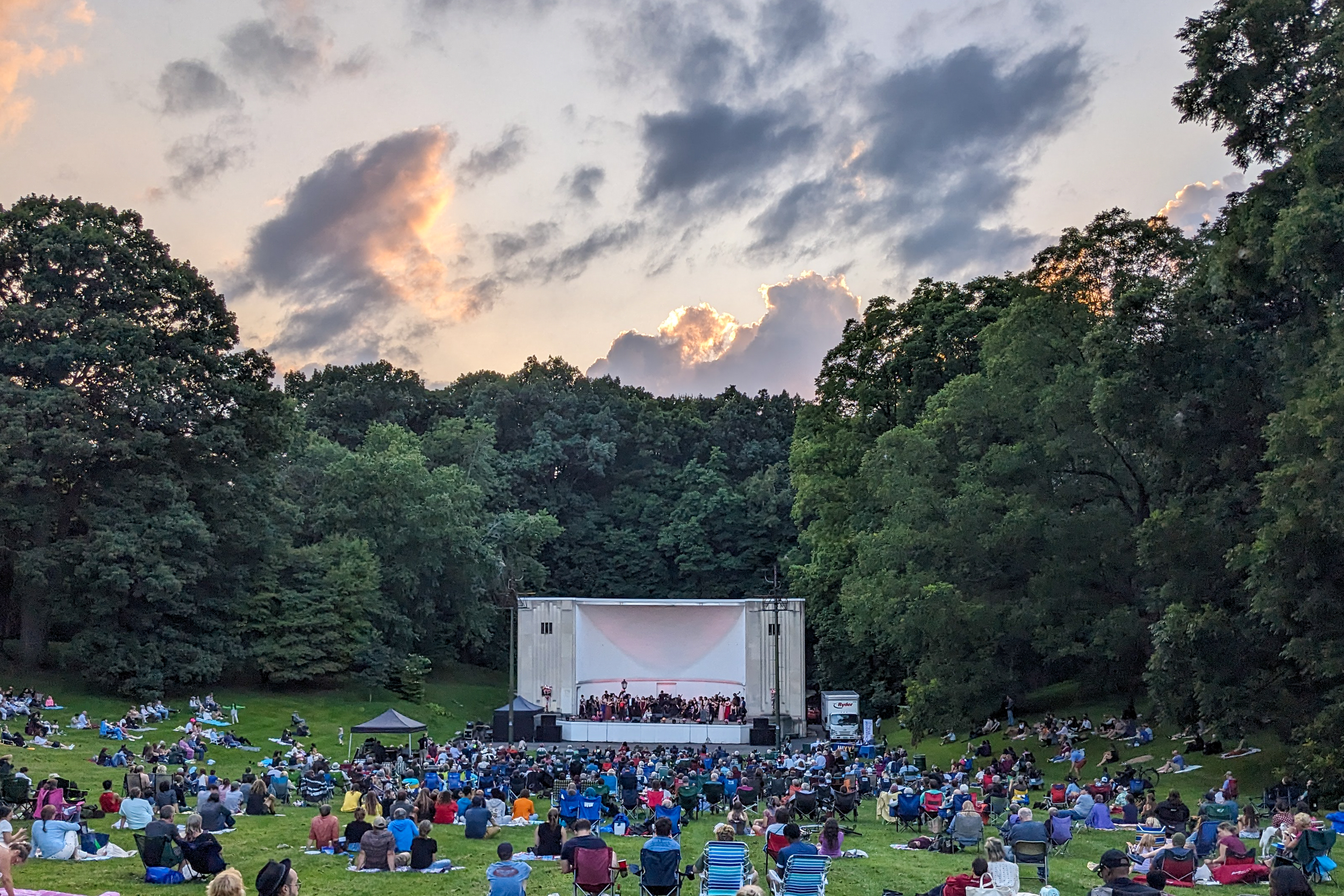
Highland Bowl
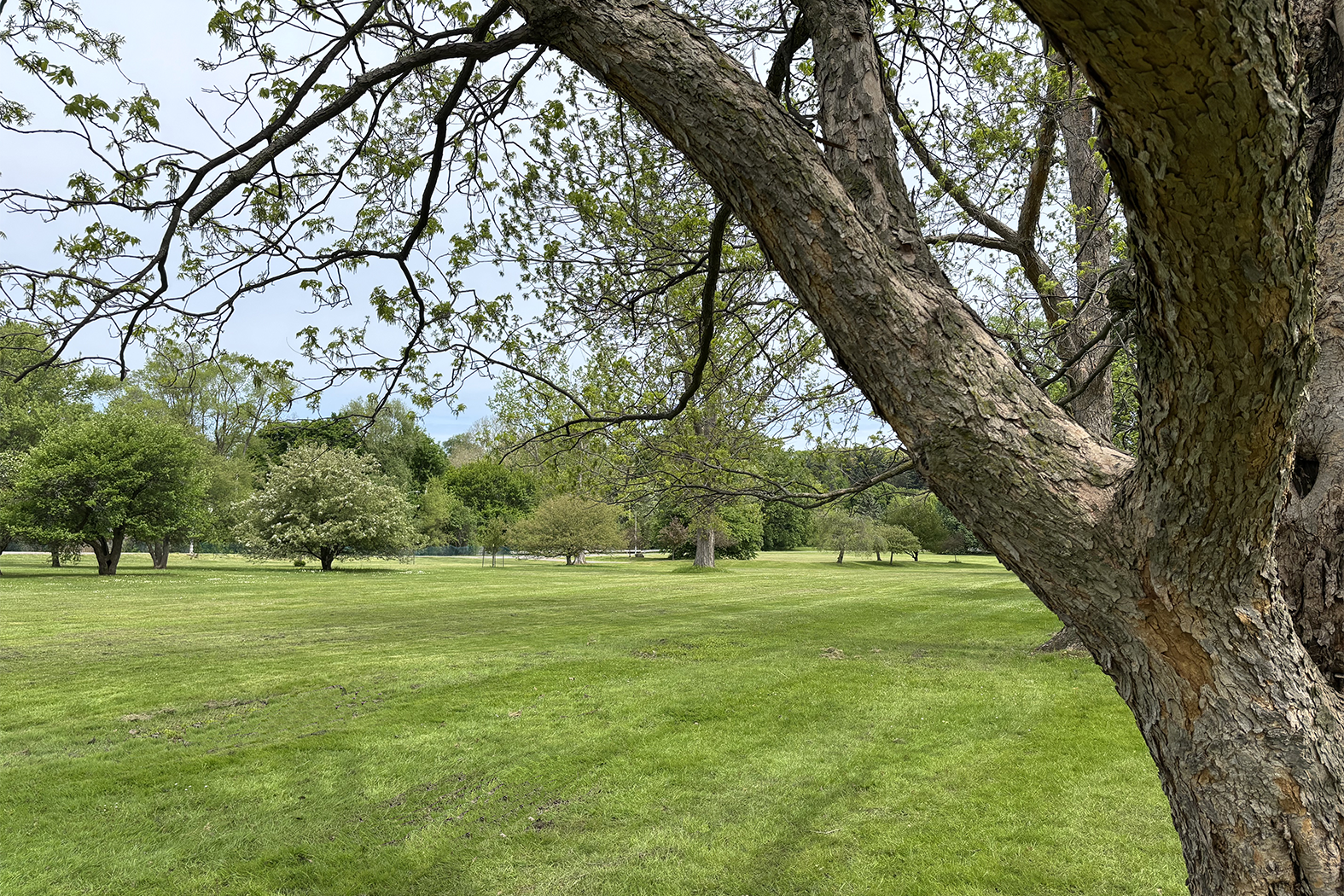
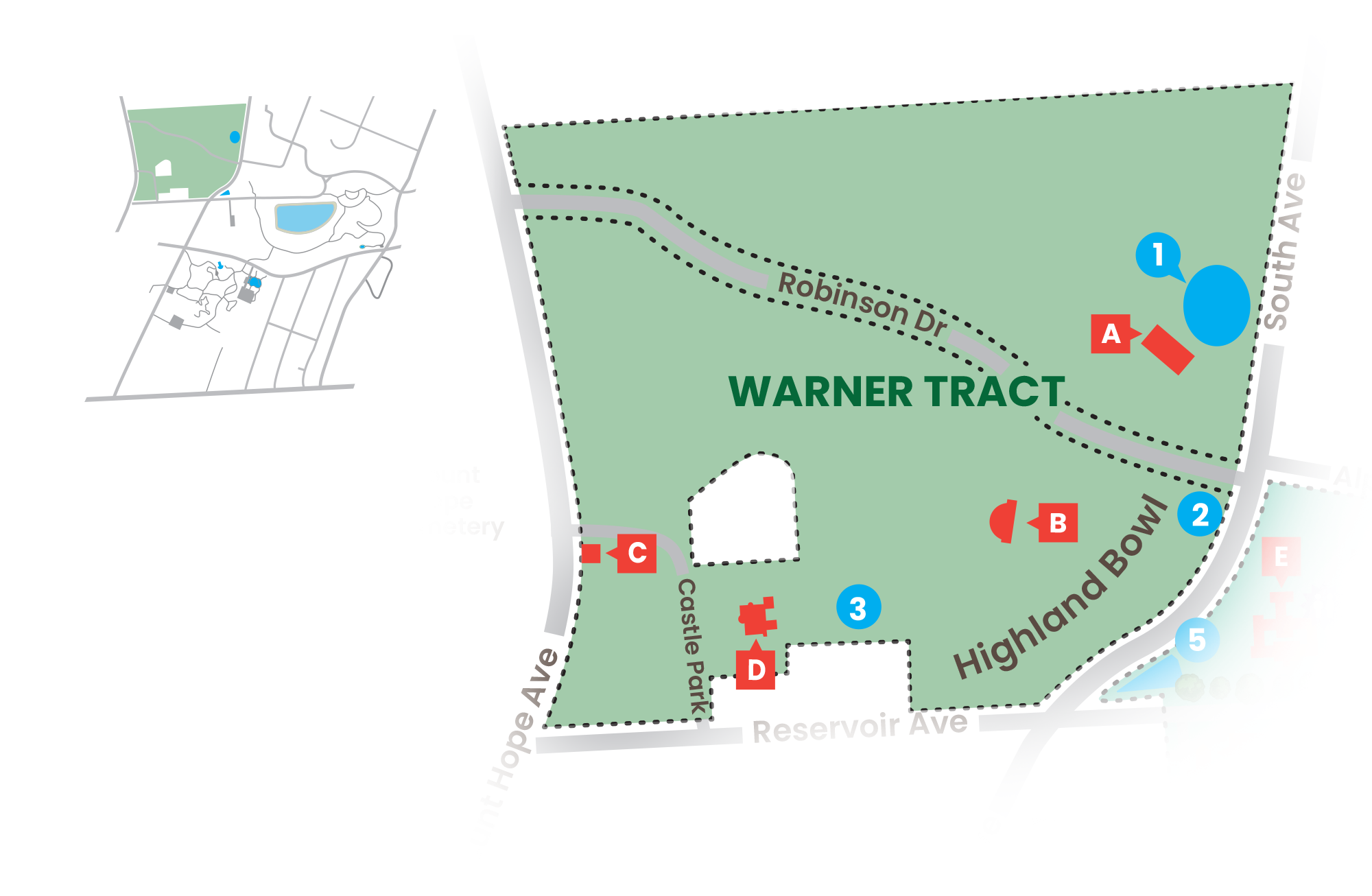
Properly known as the John Dunbar Music Pavilion, the Highland Bowl was built in 1937 under the auspices of the Works Project Administration. It was named after the plantsman largely responsible for developing Highland Park’s extensive lilac collection. Today, this open-air amphitheater hosts concerts, theatre productions, an annual poetry festival, and more.
Also in this section:
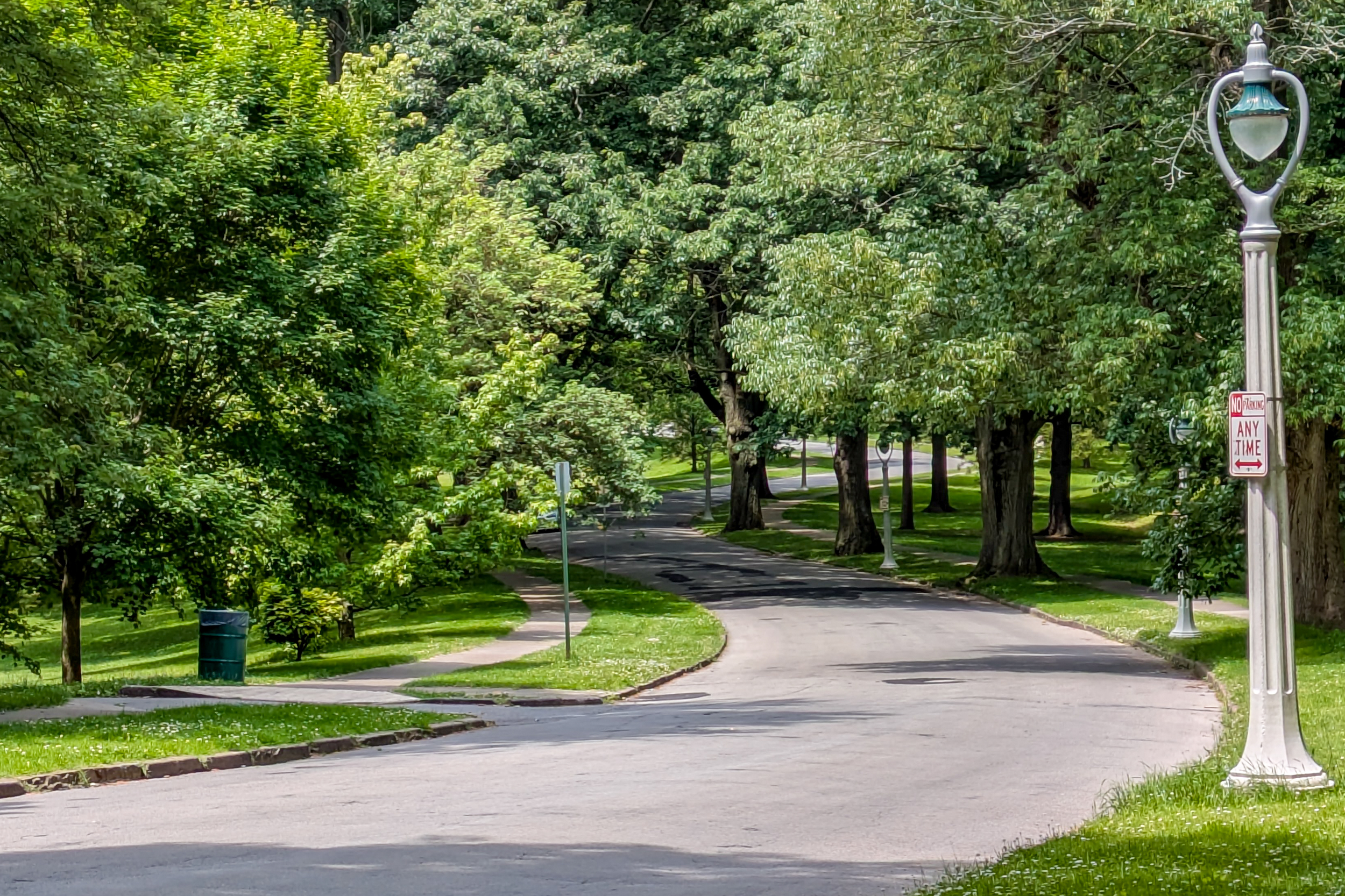
Robinson Drive
Frederick Douglass Plaza
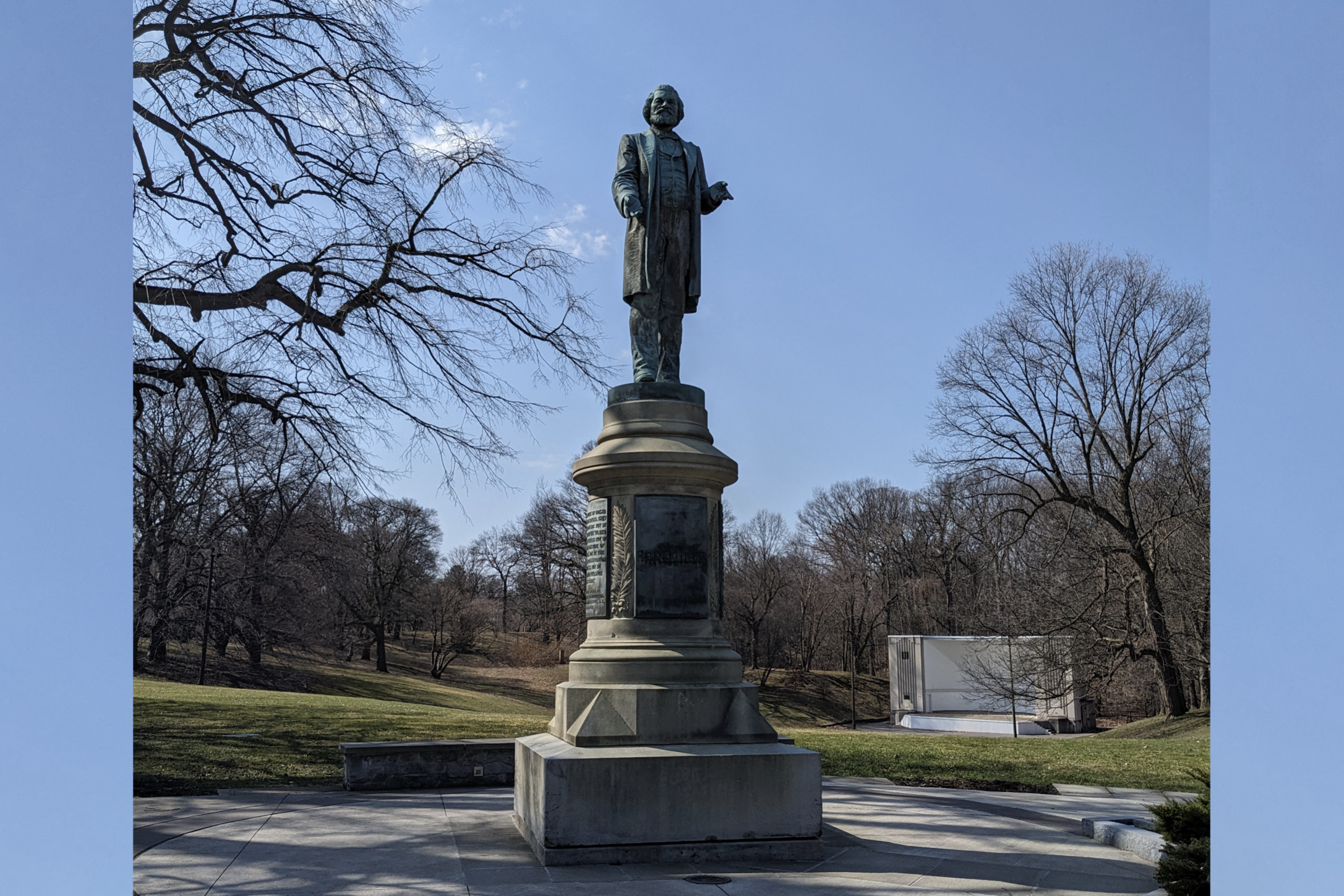
The Frederick Douglass statue, erected in 1899, was moved to Highland Bowl in 1941. It made its final move to Frederick Douglass Memorial Plaza in the fall of 2019. The Plaza was designed and installed and then the 8’ statue and its 9’ blue granite pedestal were moved to the prominent location on the corner of South Avenue and Robinson Drive.
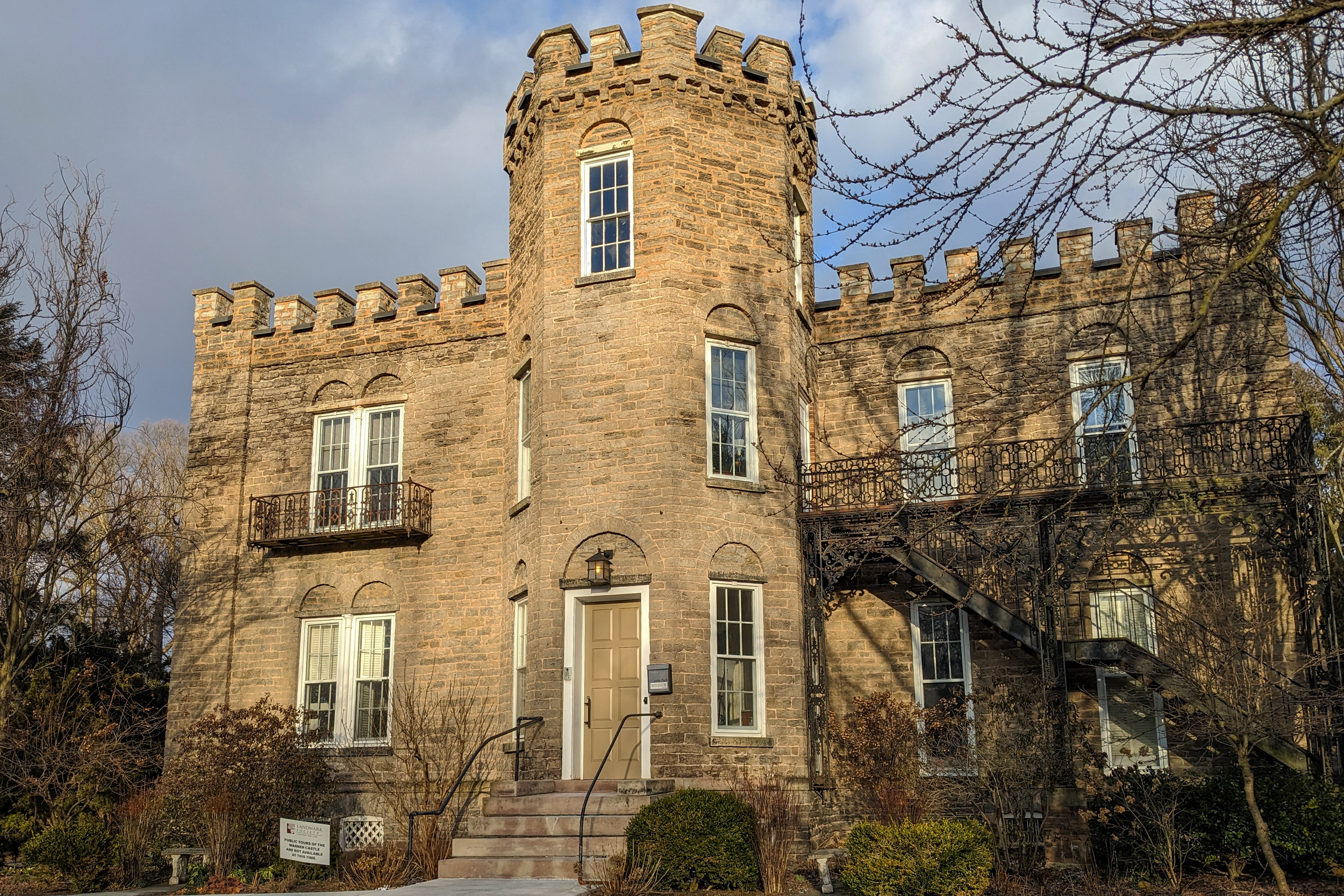
Warner Castle
Built in 1854 by Horatio Gates Warner, the Castle is a unique structure in Rochester and Highland Park. The Castle was privately owned until the City of Rochester purchased the building and 1.8 acres in 1951 and it became part of the Park. The Castle underwent major refurbishment starting in 2017. It is currently the home of the Landmark Society of Western New York; HPC maintains an office in the building. The display gardens are maintained by HPC volunteers and the Parks staff.
Also in this section:
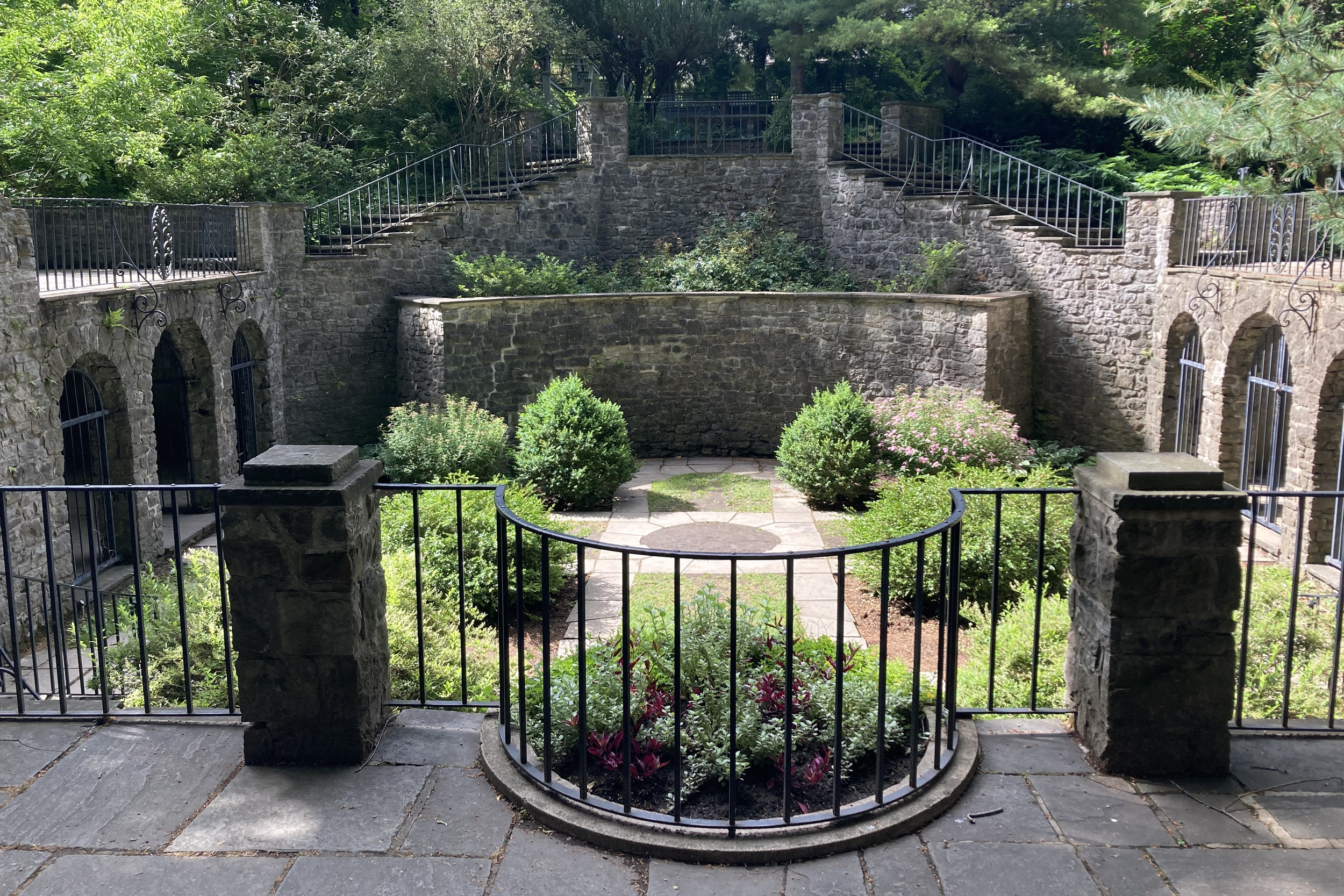
DeForest Sunken Garden
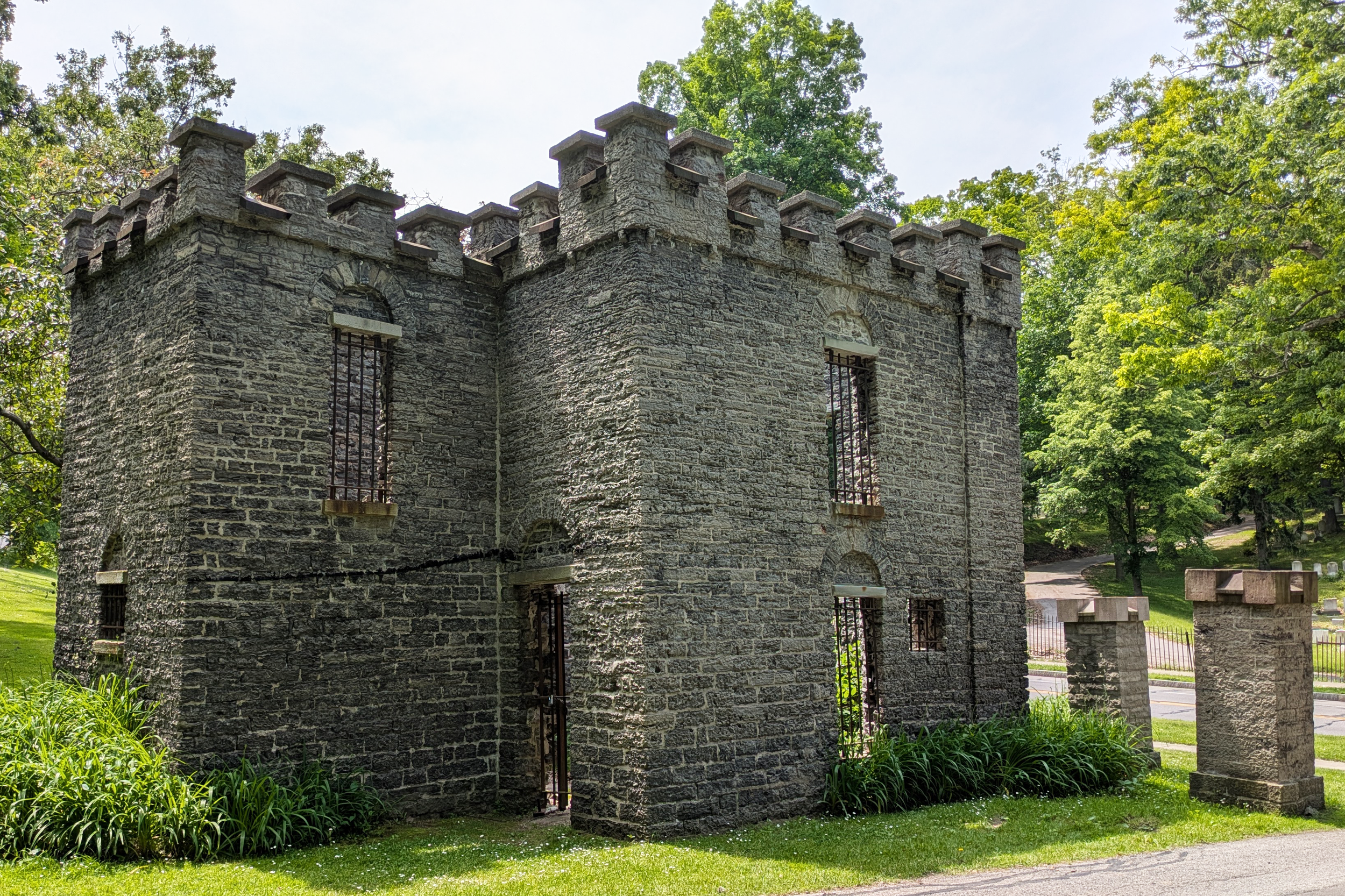
Castle Gatehouse
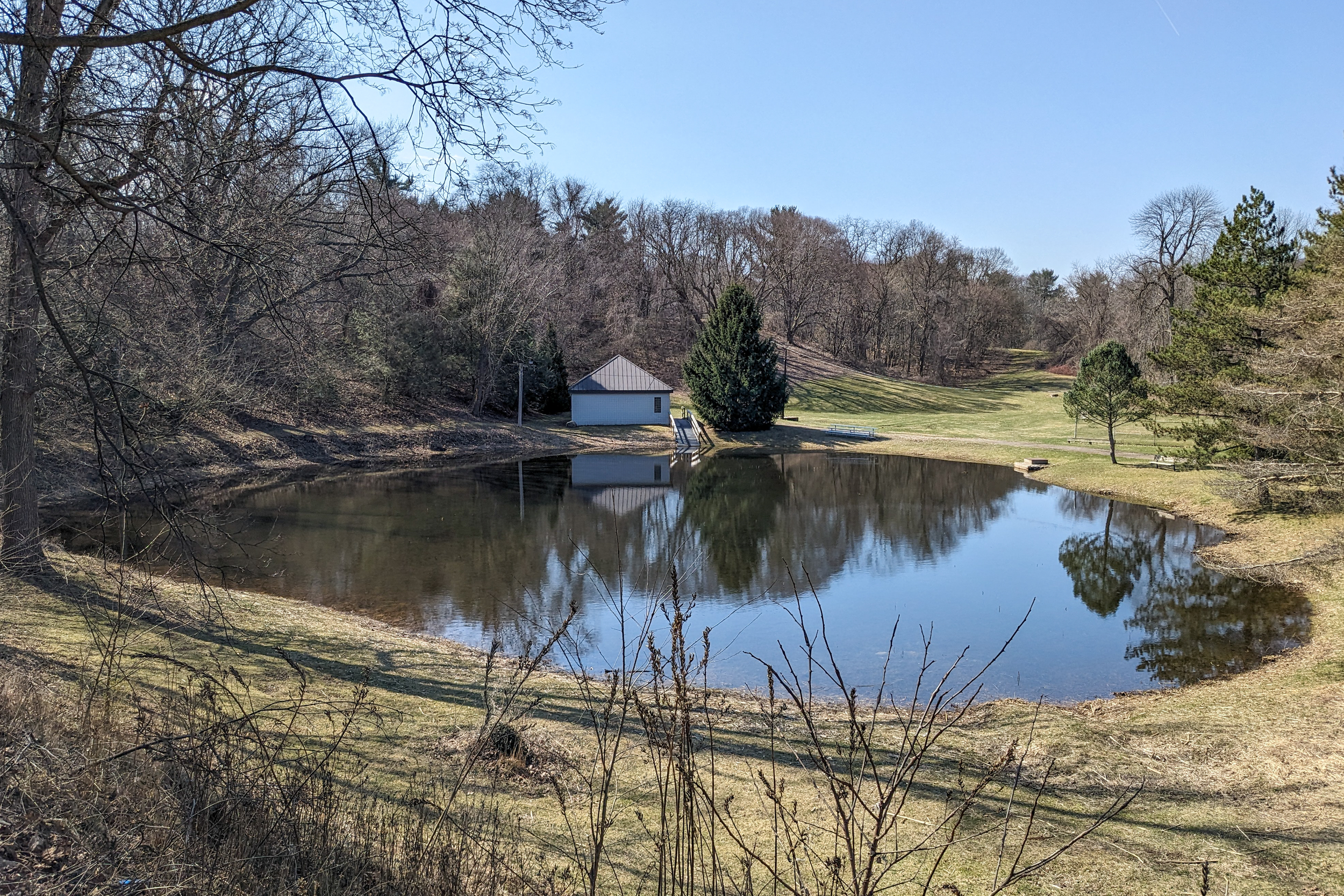
Lily Pond, Ice Rink & Shelter
In times past, the Lily Pond was indeed filled with show-stopping water lilies. Stocked by the NYS Dept. of Conservation with perch, sunfish, and blue gills, it was also a popular fishing spot for young anglers. Although the pond is no longer used for fishing, ice skaters still enjoy the rink during the winter months.
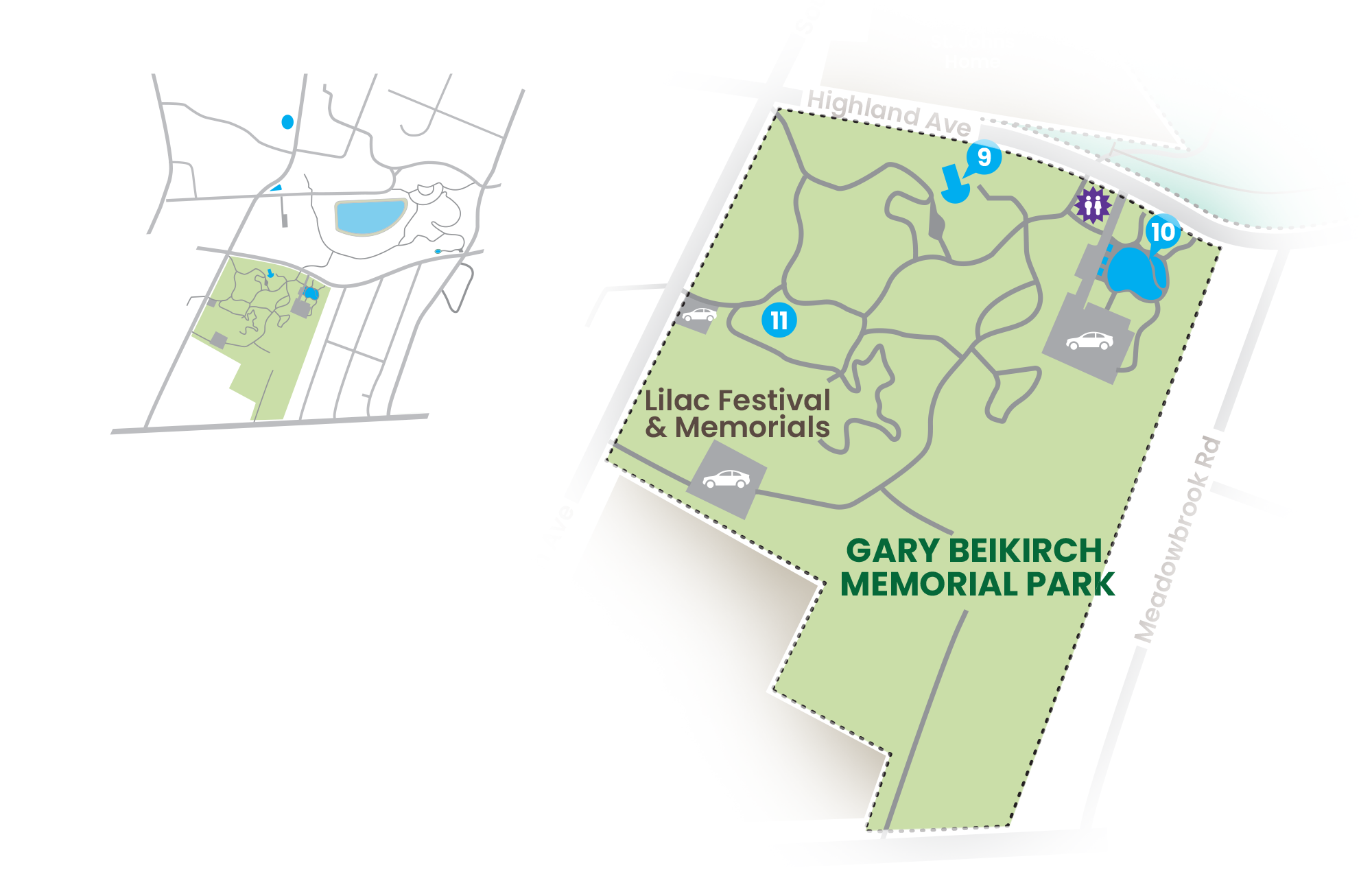
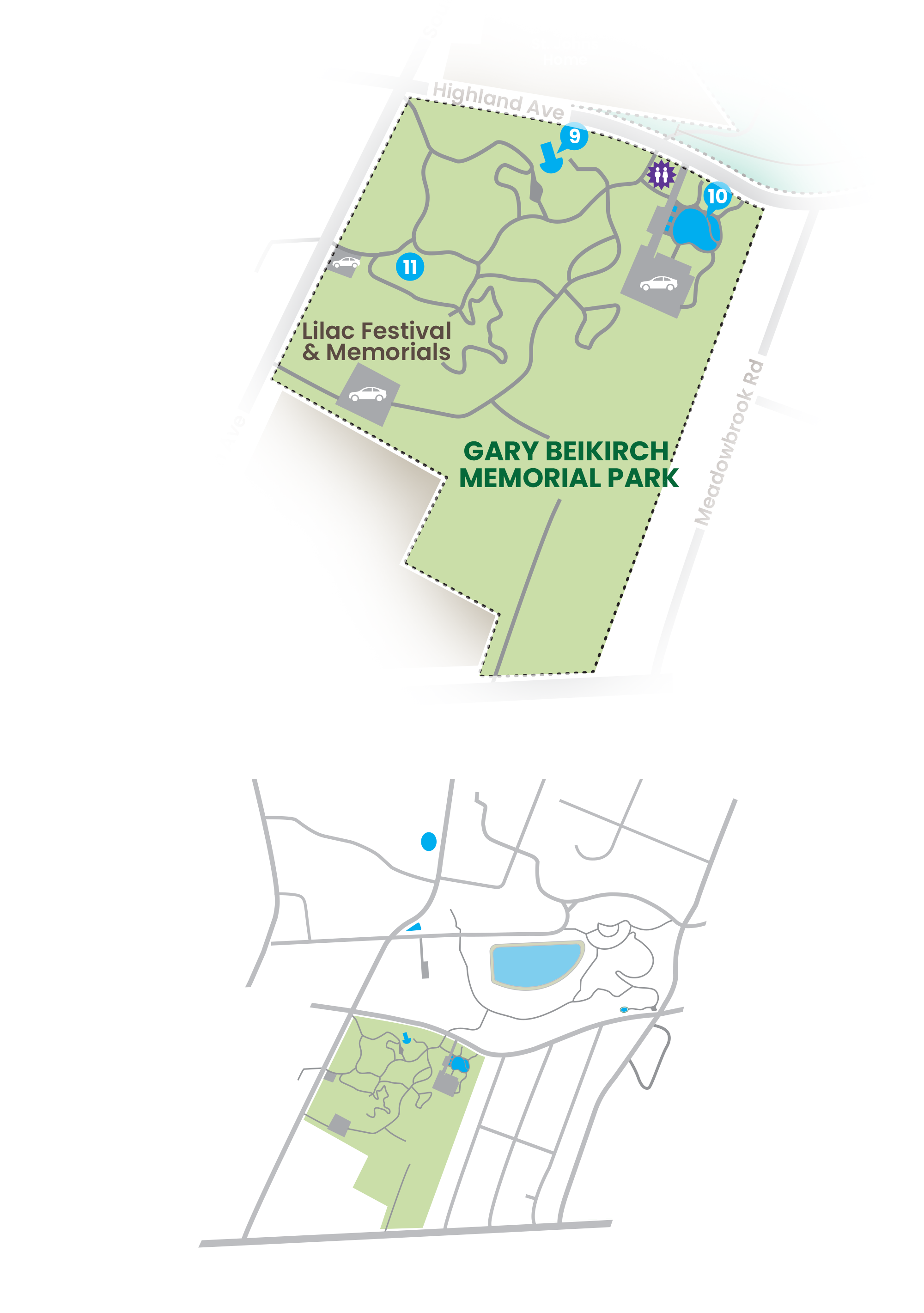
Gary Beikirch Memorial Park/ Festival Site
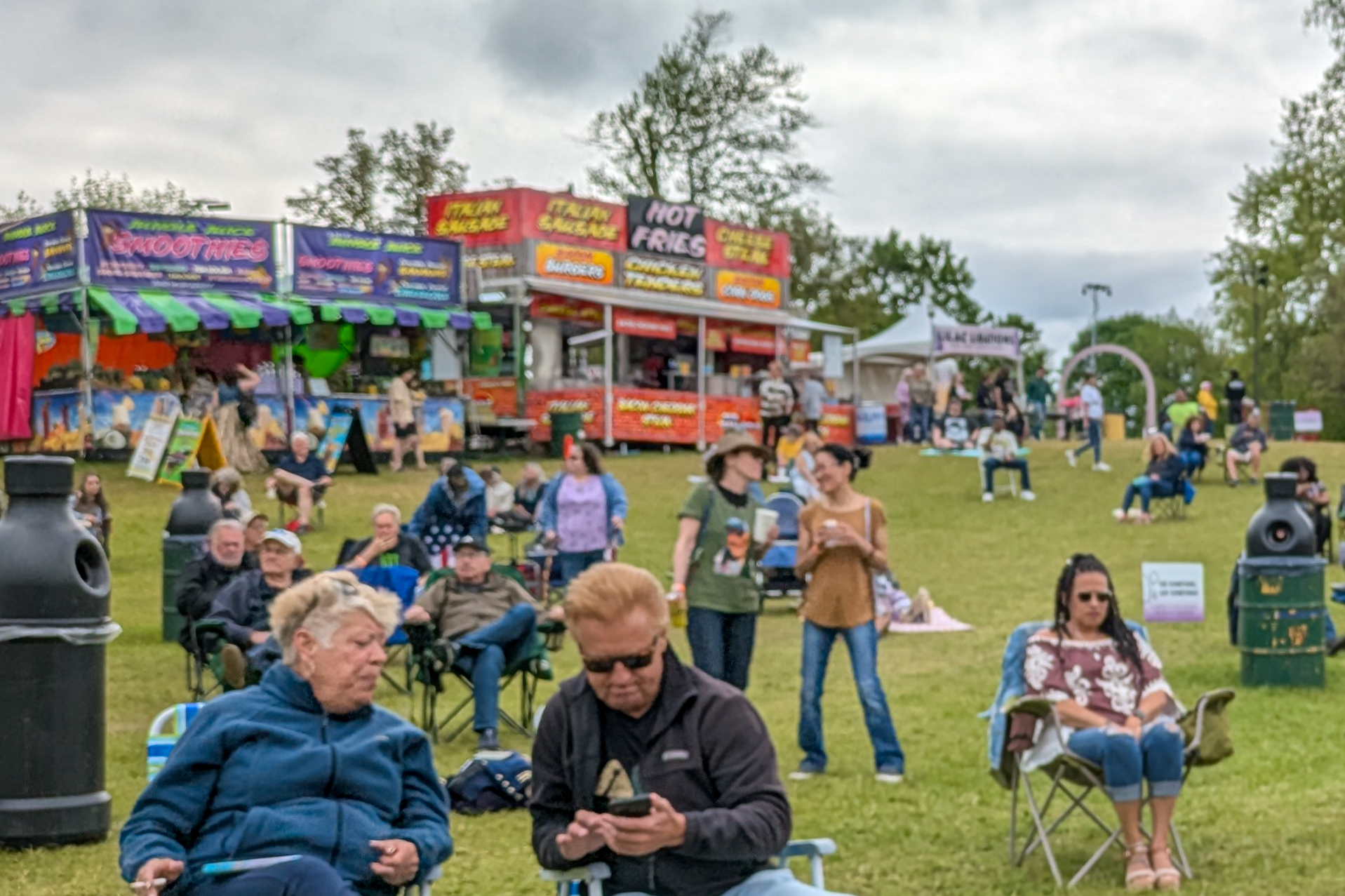
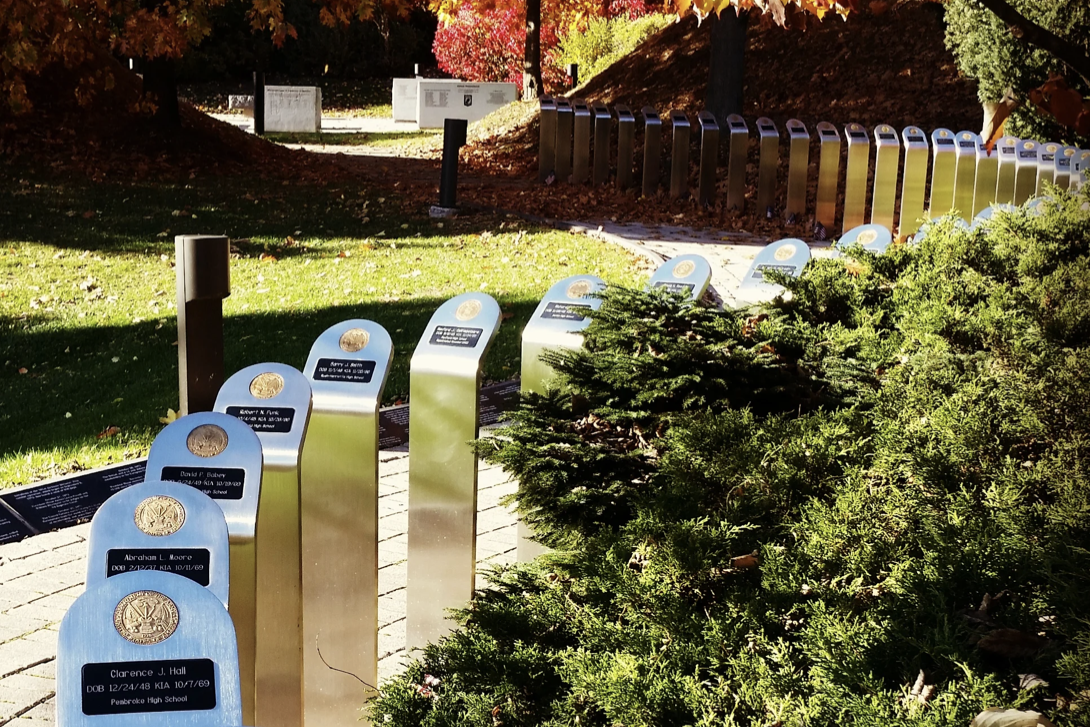
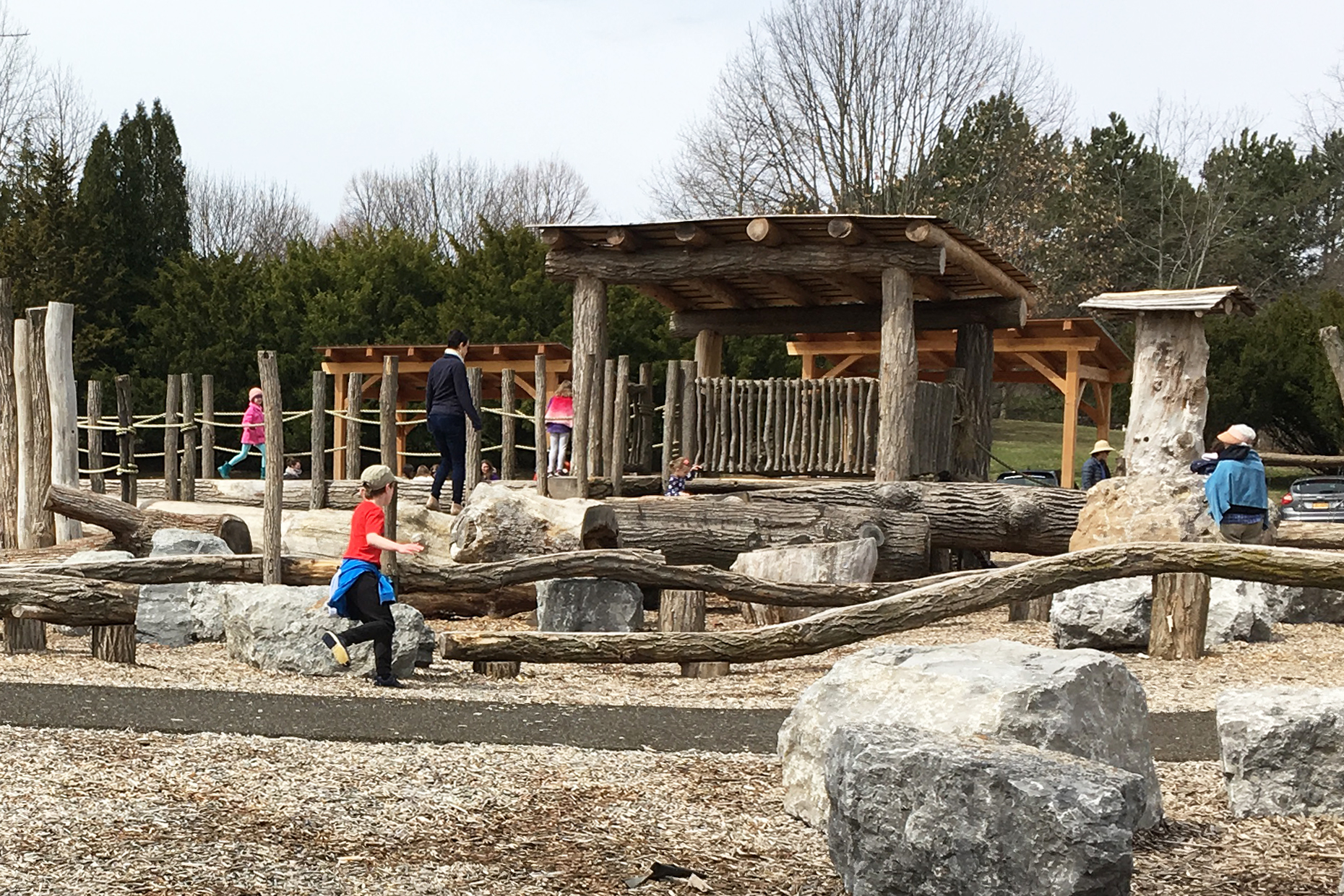
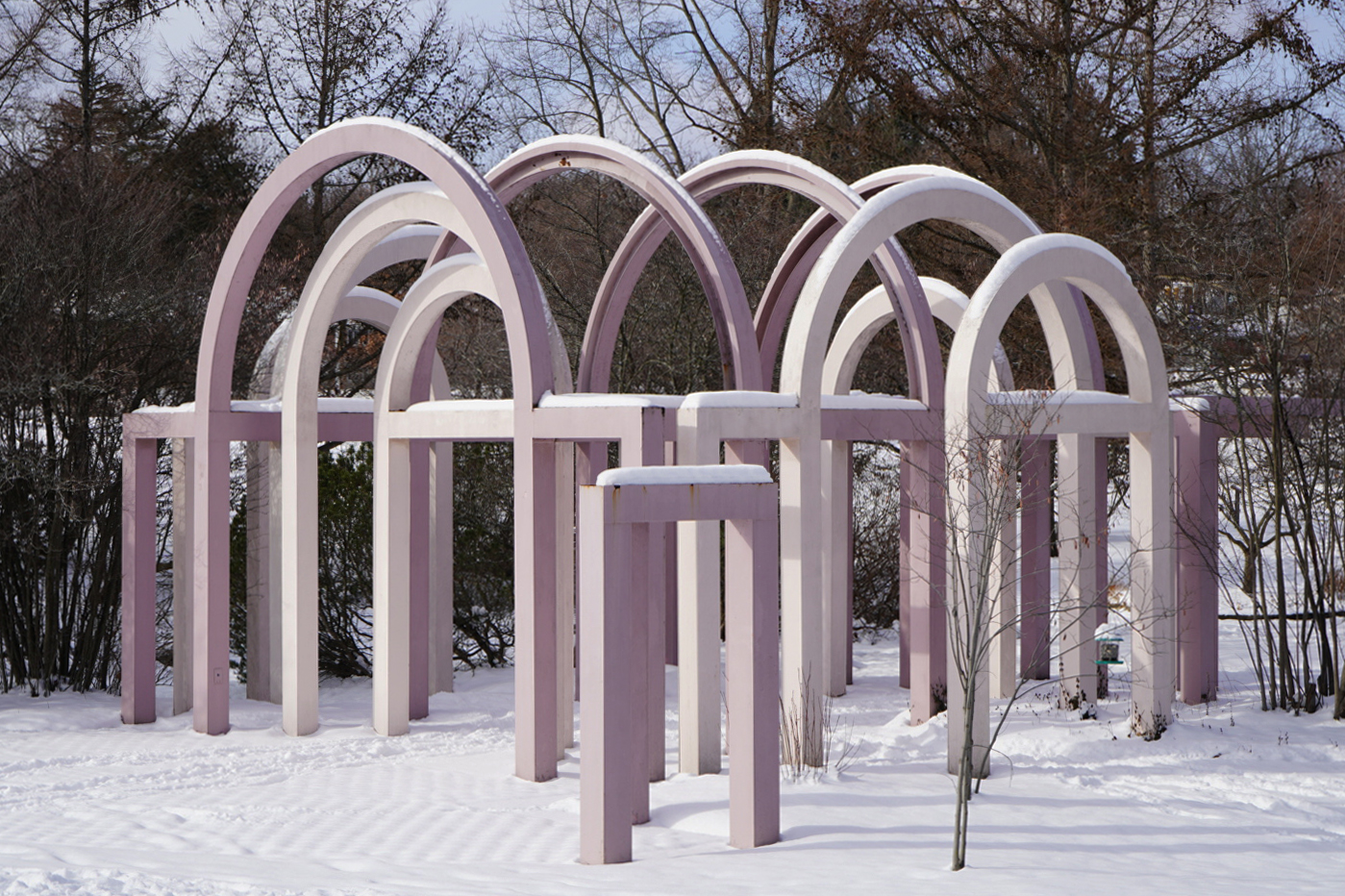
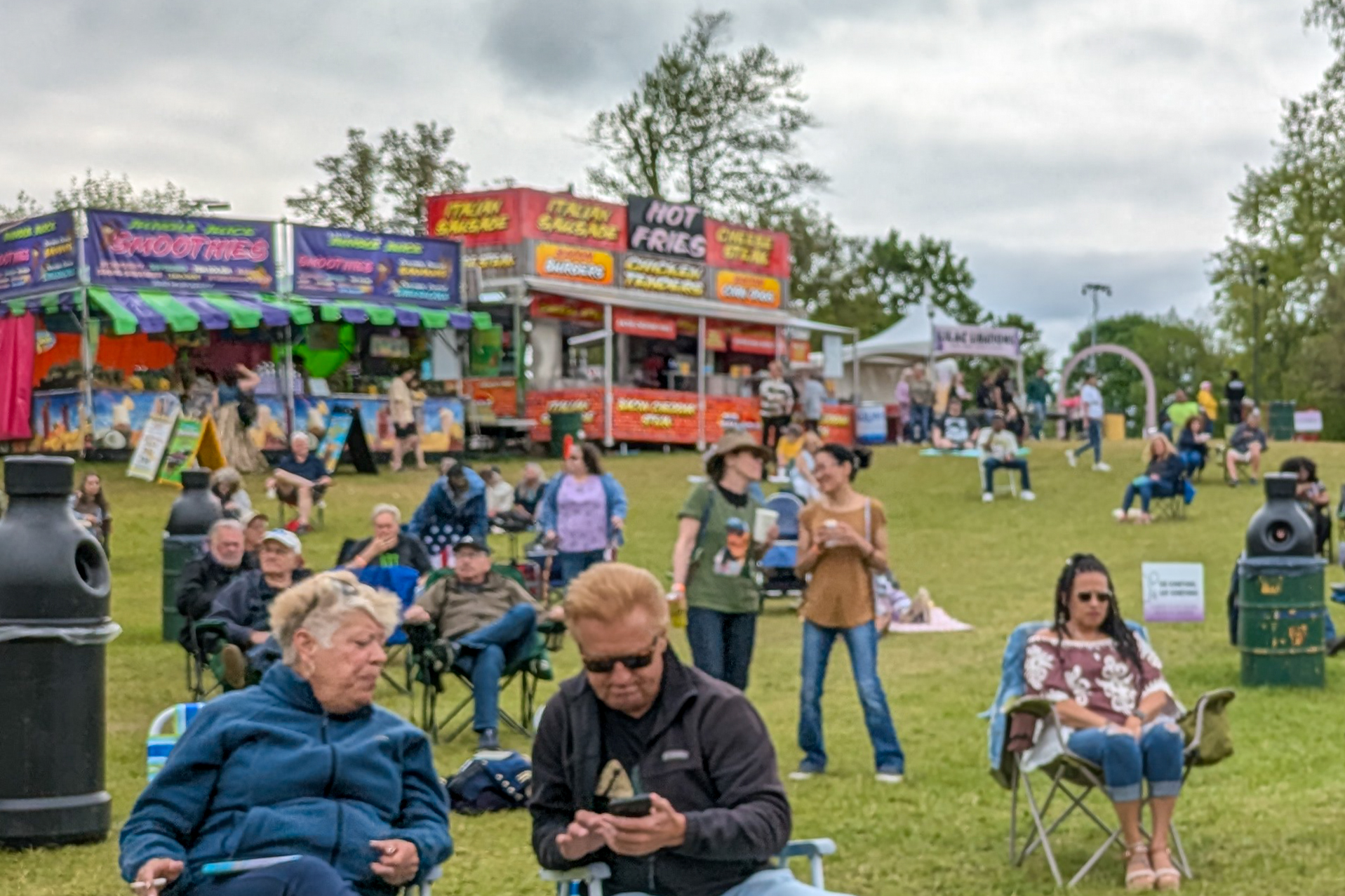
The Festival Site was added to Highland Park South in the 1980s to accommodate peak uses, including hundreds of thousands of visitors to the Lilac Festival every May, Veterans Day Celebrations, and everyday casual use. Renamed in 2021 to honor Gary Beikirch, the site features a variety of memorials, ranging in scale from the major Vietnam Veterans Memorial to simpler monuments. It also features the Lilac Arches, a popular gazebo in a grove, and the Lilac Adventure Zone, a nature playground for children of all ages. The area is served by 3 off-street parking areas and a restroom building.
Also in this section:
Vietnam Veterans Memorial
Memorials
Lilac Adventure Zone
Lilac Arches
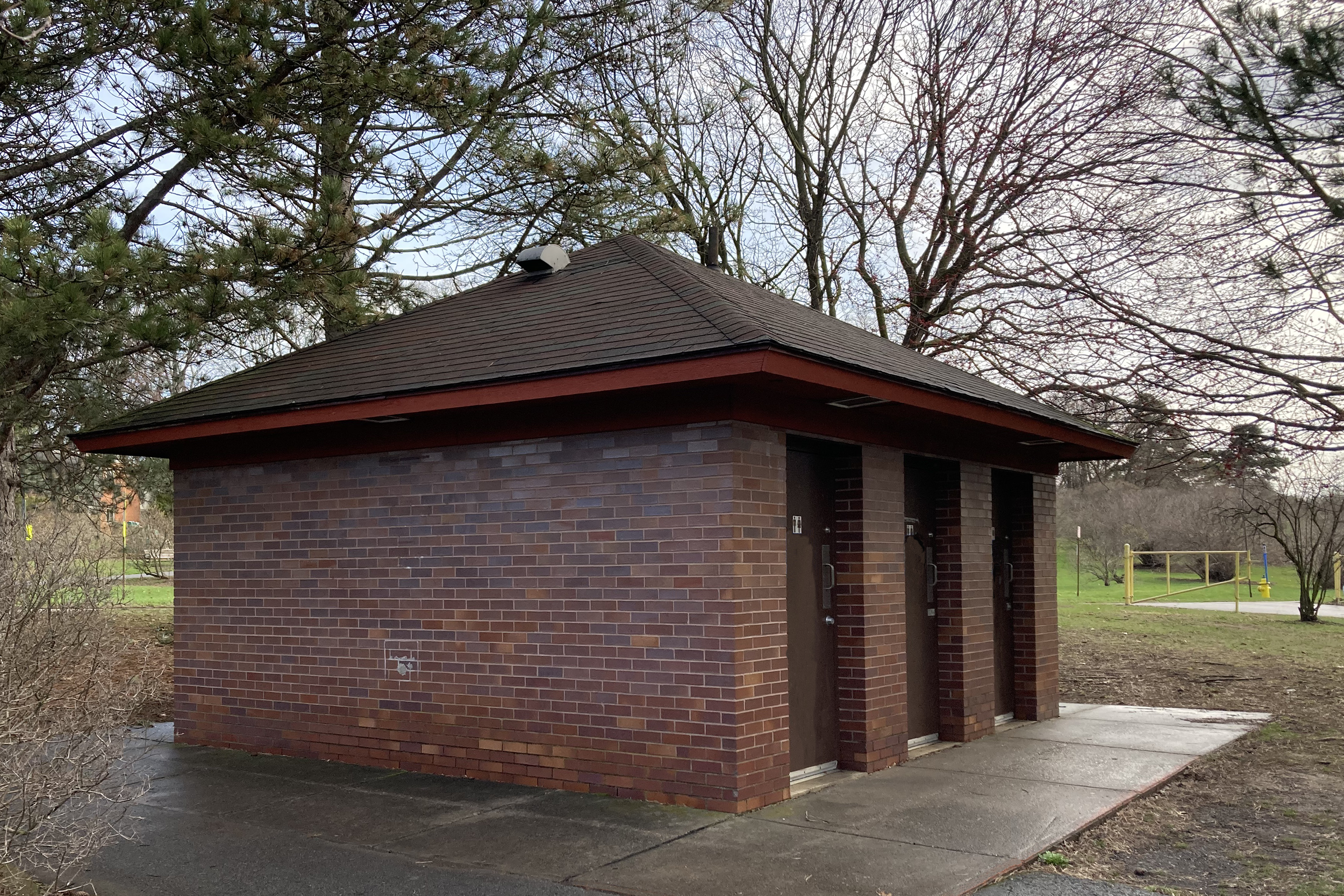
Seasonal Restrooms (mid-April–early November)